

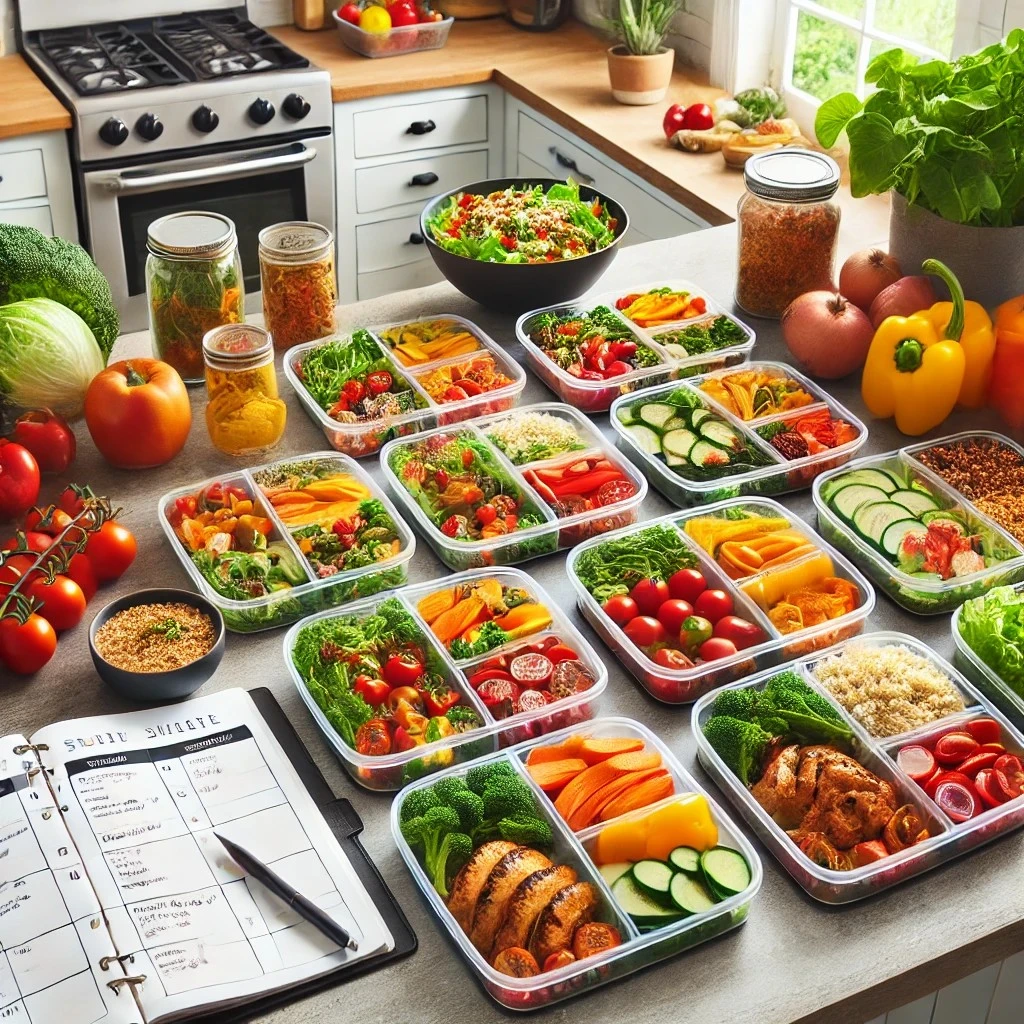
A Guide to Meal Planning and Batch Cooking for Beginners
In the contemporary, rapidly evolving environment, balancing the obligations of professional life, family responsibilities, and personal engagements can significantly limit the time available for meal preparation. Consequently, numerous individuals turn to takeout, processed meals, or impromptu grocery shopping, which frequently results in excessive spending and food waste.
This is where meal planning and batch cooking come into play—these two straightforward yet impactful methods can fundamentally change your relationship with food. Let us explore how these techniques can assist you in reducing expenses, decreasing waste, and simplify your daily routine.
If you need more everyday recipe ideas to build your weekly menu, explore the Food & Recipes hub for healthy inspiration and practical meal ideas.
For additional guidance on building a healthier lifestyle through nutrition and exercise, visit our comprehensive Fitness & Health pillar page.
Table of Contents
- What Is Meal Planning and Batch Cooking?
- The Financial Advantages of Meal Planning
- Environmental Benefits
- How to Begin Your Meal Planning Journey
- Practical Meal Prep Tips for Beginners
- Turn Meal Prep Into a Recovery Advantage
- Frequently Asked Questions
What Is Meal Planning and Batch Cooking?
Meal planning is the process of organising your meals ahead of time, whether for the week or even the month. This includes making a comprehensive grocery list that aligns with your meal choices, helping you purchase only what you need. By doing this, you can avoid impulse buys and guarantee that you have all the necessary ingredients ready to go.
Batch cooking enhances meal planning by allowing you to prepare several meals at once. You cook larger quantities of food and divide them into portions for easy access throughout the week. This method not only simplifies your cooking routine but also helps curb the urge to order takeout when you are short on time.
Once you understand the basics, you can learn how to create a 7-day nutritious meal plan to match your personal health and fitness goals.
The Financial Advantages
Lower Grocery Costs
By planning your meals ahead of time, you can avoid purchasing too much and make sure that every ingredient serves a purpose. Sticking to a shopping list helps you resist impulse purchases and reduces unnecessary spending.
Purchasing items in bulk for batch cooking can decrease the cost per serving, particularly for essential cupboard items and proteins.
Reduced Takeout Spending
Having pre-prepared meals or ready-to-use ingredients means you are less inclined to choose expensive takeout or delivery options.
Minimised Food Waste
Research indicates that many households throw away a lot of food due to inadequate planning. Meal planning allows you to buy only what you need, while batch cooking helps you make the most of any leftovers.
Benefits for the Environment
Minimised Food Waste
By wasting less food, we can lower methane emissions from landfills, which helps create a healthier environment.
Energy Conservation
Preparing meals in larger quantities is more energy-efficient than cooking several individual meals. A single session in the oven or on the hob can provide meals for several days.
How to Begin Your Journey
1. Plan Your Weekly Menu
- Start off easy: choose three to five favourite meals that you can whip up without much effort.
- Incorporate ingredients that can serve multiple purposes (for instance, roasted veggies can be added to salads, wraps, or grain bowls).
2. Shop Wisely
- Create a comprehensive grocery list based on your meal plan.
- Focus on the outer sections of the grocery store, where you'll find fresh fruits, vegetables, dairy, and proteins.
3. Set Aside a Cooking Day
- Pick a day to prepare meals in bulk.
- Cook large quantities of grains, proteins, and veggies that you can combine in various ways throughout the week.
- Utilise freezer-safe containers to keep meals or ingredients for future use.
4. Embrace Flexibility
Things can change, so feel free to adjust your meals or creatively use leftovers. The goal is to establish a system that minimises stress and waste.
Practical Meal Prep Tips for Beginners
To achieve success in meal preparation, consider investing in effective storage solutions like airtight containers and freezer bags, which help maintain freshness and minimise spoilage.
- Label containers clearly with meal names and preparation dates.
- Begin small by doubling a single recipe and freezing the extra portion.
- Keep ingredients versatile so meals can be mixed and matched.
- Involve family members to make meal prep easier and more enjoyable.
For easy weekday meals when time is tight, explore our quick mid-week dinner ideas .
You can also improve your cooking confidence by using our interactive recipes hub , designed to help you cook healthier meals with step-by-step guidance.
Turn Meal Prep Into a Recovery Advantage
Planning meals is powerful — but personalisation is key. Use our Simple Calorie & Macro Calculator to determine your ideal calorie intake, protein needs for muscle repair, carbohydrate balance for energy replenishment, and fat intake for hormone health.
When your meal prep aligns with your training demands, recovery becomes faster, soreness decreases, and performance improves.
Frequently Asked Questions
What is meal planning?
Meal planning is the process of organising meals in advance for a set period, typically a week. It helps reduce stress, minimise waste, and ensure balanced nutrition.
What is batch cooking?
Batch cooking involves preparing larger quantities of food at once and storing portions for future meals, making healthy eating more convenient.
Does meal planning help save money?
Yes. Meal planning reduces impulse purchases, lowers grocery spending, and prevents unnecessary takeout orders.
Is meal prep useful for fitness goals?
Meal preparation supports fitness goals by ensuring balanced meals, consistent calorie intake, and adequate protein for recovery and muscle repair.


