
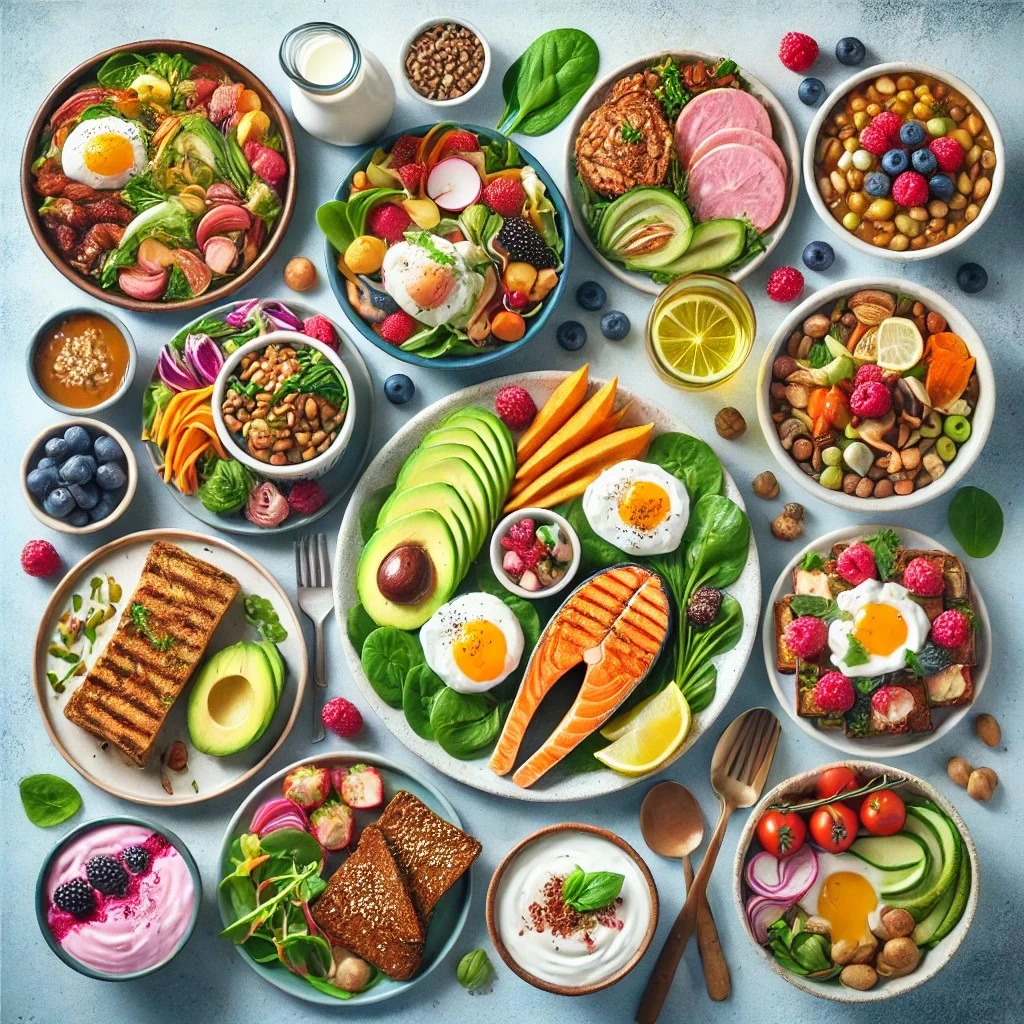
7-Day Healthy Meal Plan for Beginners With Shopping List
Take the guesswork out of healthy eating with a practical week of balanced breakfasts, lunches, dinners and snacks. This flexible plan uses familiar ingredients, planned leftovers and a simple shopping list to make the week easier.
Your simple plan for the week
This plan is written as a flexible guide for two adults. Increase or reduce quantities to suit your household, appetite and individual nutritional needs.
A helpful starting point, not a prescribed diet. Energy and portion needs vary with age, health, body size and activity. Adjust the plan according to your hunger and seek qualified advice if you have a medical condition or specific dietary need.
What makes this a balanced week?
The NHS Eatwell Guide recommends aiming for balance across a day or week, rather than expecting every individual meal to be perfect. This plan uses that realistic approach.
Fruit and vegetables
Different colours and varieties appear throughout the week, using fresh, frozen and tinned options.
Higher-fibre carbohydrates
Oats, wholemeal bread, potatoes, brown rice, quinoa, couscous and wholewheat pasta provide variety.
Varied protein
Fish, poultry, eggs, pulses, tofu, yoghurt and lean meat or alternatives are spread across the week.
Dairy or alternatives
Choose dairy or unsweetened fortified alternatives that suit your preferences and dietary needs.
Unsaturated fats
Olive or rapeseed oil, nuts, seeds, avocado and oily fish add flavour and variety in modest amounts.
Regular fluids
Keep water available during the day. The NHS suggests six to eight glasses of fluid for most people.
Your 7-day healthy meal plan
Swap the days around whenever needed. Planned leftovers reduce work, but prepare extra portions only when the plan tells you to.
Day 1 · Start simply
Fresh flavours with useful grains prepared for later
Day 2 · Plant-powered variety
Pulses, vegetables and an easy stir-fry
Day 3 · Midweek ease
Use planned leftovers and one simple traybake
Day 4 · Fresh and filling
A no-cook breakfast and a quick fish dinner
Day 5 · Familiar favourites
Simple ingredients with plenty of colour
Day 6 · Relaxed weekend cooking
A quick pasta dinner designed for leftovers
Day 7 · Finish flexibly
Use remaining ingredients before the next shop
Weekly shopping list for two adults
Quantities are approximate because appetites and product sizes vary. Check your cupboards first, scale the list for your household and choose frozen or tinned produce where it saves money.
Fruit
- Bananas · 6
- Apples · 6
- Oranges · 2
- Berries · about 500g, fresh or frozen
- Lemons · 3
- Avocados · 2
Vegetables and salad
- Mixed leaves or lettuce · 2 bags
- Spinach · about 500g
- Broccoli · 2 heads or frozen equivalent
- Carrots · 8
- Mixed peppers · 7
- Courgettes · 2
- Onions · 5, including 1 red
- Garlic · 1 bulb
- Cucumber · 2
- Tomatoes · about 12 medium or 750g mixed
- Mushrooms · 400g
- Sweet potatoes · 2 large
- Baby potatoes · about 1.2kg
- Green beans · 250g
- Frozen peas · 300g
Protein
- Chicken breast or thighs · about 700g
- Salmon fillets · 2
- Cod fillets · 2
- Lean beef strips or soy pieces · 300g
- Firm tofu · 400g
- Eggs · 10
- Tinned tuna · 2 tins
- Red lentils · 250g dry
- Chickpeas · 3 tins
- Cannellini beans · 1 tin
Dairy or alternatives
- Natural Greek-style yoghurt or alternative · about 1kg
- Milk or unsweetened fortified alternative · 2 litres
- Cottage cheese or alternative · 250g
- Optional cheese · about 100g
Grains and bread
- Porridge oats · 750g
- Wholemeal bread · 1 loaf
- Wholemeal wraps · 1 pack
- Quinoa · 400g dry
- Brown rice · 400g dry
- Wholewheat pasta · 400g
- Wholegrain pancake mix or wholemeal flour · 250g
Cupboard and flavour
- Chopped tomatoes · 3 tins
- Reduced-salt vegetable stock
- Hummus · about 300g
- Tahini · 1 small jar
- Peanut or almond butter
- Unsalted walnuts and almonds · about 250g total
- Chia or mixed seeds · 150g
- Olive or rapeseed oil
- Reduced-salt soya sauce
- Dried herbs, cinnamon, paprika and black pepper
- Fresh or jarred ginger
Shopping for a different household size? Halve most quantities for one adult. For four adults, double the main ingredients but check herbs, oils, dressings and cupboard items before doubling them automatically.
The one-hour meal-preparation plan
You do not need to cook every meal in advance. Complete these useful building blocks, then cook the fish, eggs and stir-fries fresh on the day.
- Start the grainsCook a batch of quinoa and brown rice according to packet instructions. Cool any portions being saved and refrigerate promptly.
- Prepare the vegetablesWash salad produce and chop carrots, peppers, broccoli and onions. Store them in separate covered containers.
- Make the lentil soupCook the Day 2 soup while the grains are simmering. Divide into four portions once ready.
- Mix two dressingsMake a lemon-herb dressing and a lemon-tahini dressing. Keep refrigerated in sealed jars.
- Assemble one breakfastPrepare the overnight oats for Day 4. Add banana shortly before eating if you prefer a fresher texture.
- Portion simple snacksDivide nuts, hummus and chopped vegetables into practical servings so they are easy to reach during the week.
New to this process? Read the complete beginner’s guide to meal planning and batch cooking for a deeper preparation system.
Easy dietary swaps and substitutions
A plan is useful only when it fits real life. Use equivalent ingredients rather than abandoning the entire week when something is unavailable or unsuitable.
| Need or preference | Practical substitutions | Remember |
|---|---|---|
| Vegetarian | Replace chicken, fish and beef with tofu, tempeh, eggs, beans, lentils or a suitable meat-free alternative. | Include varied protein sources throughout the week. |
| Vegan | Use tofu or pulses in place of animal protein and choose fortified plant milk and yoghurt alternatives. | Some nutrients, including vitamin B12, may need particular attention. |
| Gluten-free | Choose certified gluten-free oats, bread, wraps, pasta, stock and soya sauce. Rice, potatoes and quinoa are naturally gluten-free. | Check every packaged ingredient if medically required. |
| Dairy-free | Use unsweetened fortified soya, oat or other suitable alternatives for milk and yoghurt. | Compare labels for calcium, iodine and vitamins where relevant. |
| Lower-cost | Use more lentils and beans, frozen vegetables, tinned fish and supermarket-own-brand grains. | Plan around what you already have and current offers. |
| Family-friendly | Serve sauces and toppings separately, reduce strong spices and let everyone assemble their own bowls or wraps. | Introduce variety without pressuring children to clear their plates. |
For more adaptable inspiration, explore these healthy gluten-free meal ideas .
Storage and leftover guidance
Keep food organised
- Label prepared food with its name and preparation date.
- Cool cooked food promptly before covering and refrigerating.
- Keep raw meat and fish separate from ready-to-eat food.
- Follow packet instructions and use-by dates.
- Freeze planned portions if you will not use them soon enough.
Reheat carefully
- Reheat cooked food until steaming hot throughout.
- Follow current official guidance for cooling and reheating rice.
- Only reheat leftovers once.
- When uncertain about safety, do not rely on smell alone.
- Check Food Standards Agency advice for specific foods.
Want more healthy meal inspiration?
Browse approachable recipes, meal-planning ideas and practical cooking resources in the Lifestyle Hub Today Food & Recipes hub.
7-day healthy meal plan FAQs
Is this meal plan suitable for weight loss?
It is a general balanced-eating plan rather than a prescribed weight-loss diet. Weight change depends on individual energy needs, portions and other factors. Ask a GP or registered dietitian for personalised weight-management advice.
How much should I eat at each meal?
There is no single correct portion for everyone. Start with a comfortable serving, eat slowly and adjust according to hunger, activity and personal needs. Children, pregnant people, athletes and people with health conditions may need different guidance.
Can I repeat meals during the week?
Yes. Repeating breakfast or lunch can reduce cost and preparation time. Aim for variety across the full week by rotating fruit, vegetables and protein sources.
Can I change the order of the days?
Yes, but check planned leftovers first. If you move a meal, freeze or refrigerate its ingredients safely and always follow use-by dates.
How do I scale the plan for a family of four?
Double the main meal ingredients and adjust side dishes according to appetite. Cupboard seasonings and dressings may not need to be doubled. For children, use age-appropriate portions and adapt textures or seasoning where needed.
What can I drink with the plan?
Water is a simple everyday choice. The NHS generally recommends six to eight glasses of fluid a day, although needs can increase with activity, hot weather, pregnancy or illness.
Can I use frozen and tinned ingredients?
Yes. Frozen fruit and vegetables, tinned pulses and tinned fish can be convenient and economical. Choose products without unnecessary added salt or sugar where practical.
Is this plan suitable for a medical condition?
It is not designed to treat a medical condition. If you have diabetes, kidney disease, digestive problems, allergies, an eating disorder or another condition affected by diet, seek advice from an appropriately qualified health professional.
Sources and important note
This guide provides general healthy-eating information for adults and is not medical or dietary advice. Individual energy and nutritional requirements vary. People with allergies, medical conditions, pregnancy-related needs or a history of disordered eating should seek personalised guidance from a GP or registered dietitian.
Share this 7-day meal plan
Help someone else make healthy eating feel simpler this week.
