
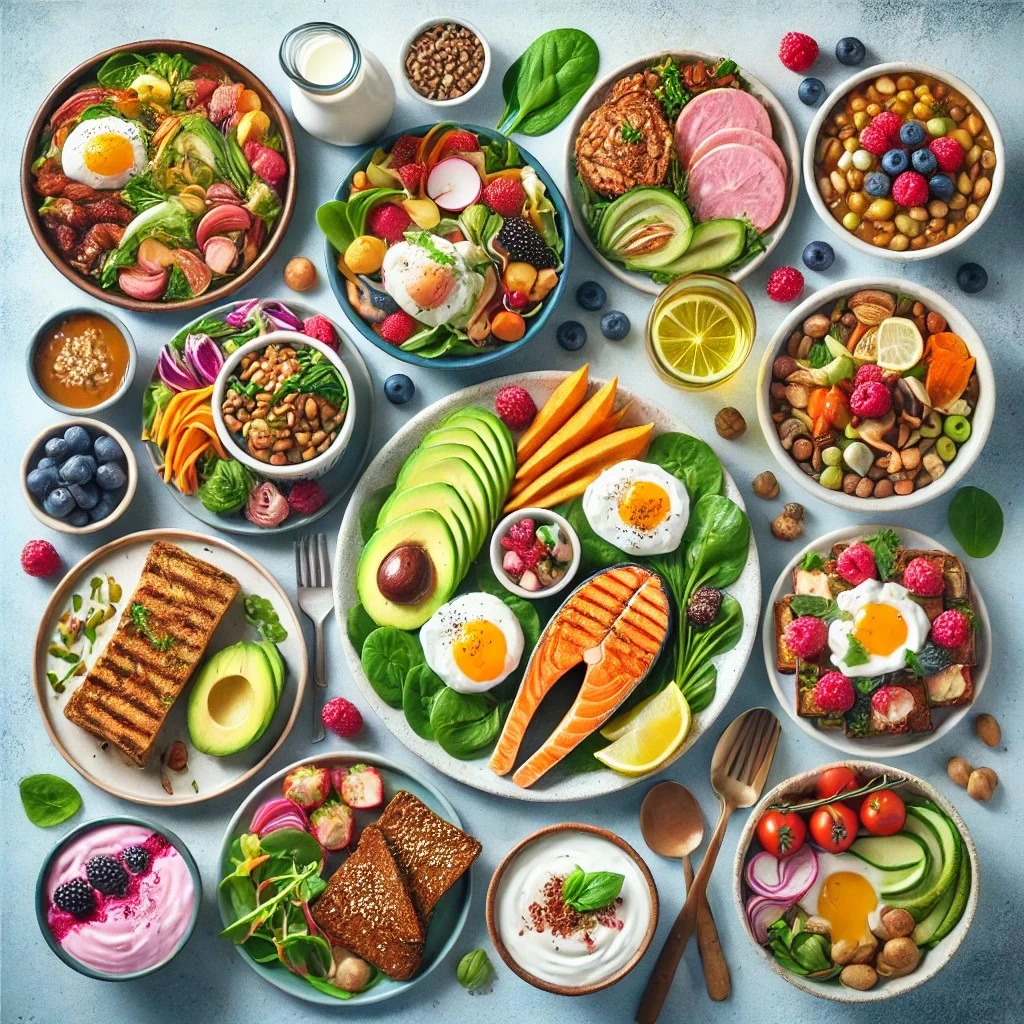
7-Day Healthy Meal Plan for Beginners
A complete week of breakfasts, lunches, dinners and snacks, with a shopping list, preparation plan and flexible swaps.
Use the meal plan →Discover approachable healthy recipes, weekly meal plans and practical cooking guidance for households in Ireland and the UK, with quick mid-week dinners, metric measurements, seasonal ideas and realistic ways to reduce food waste.
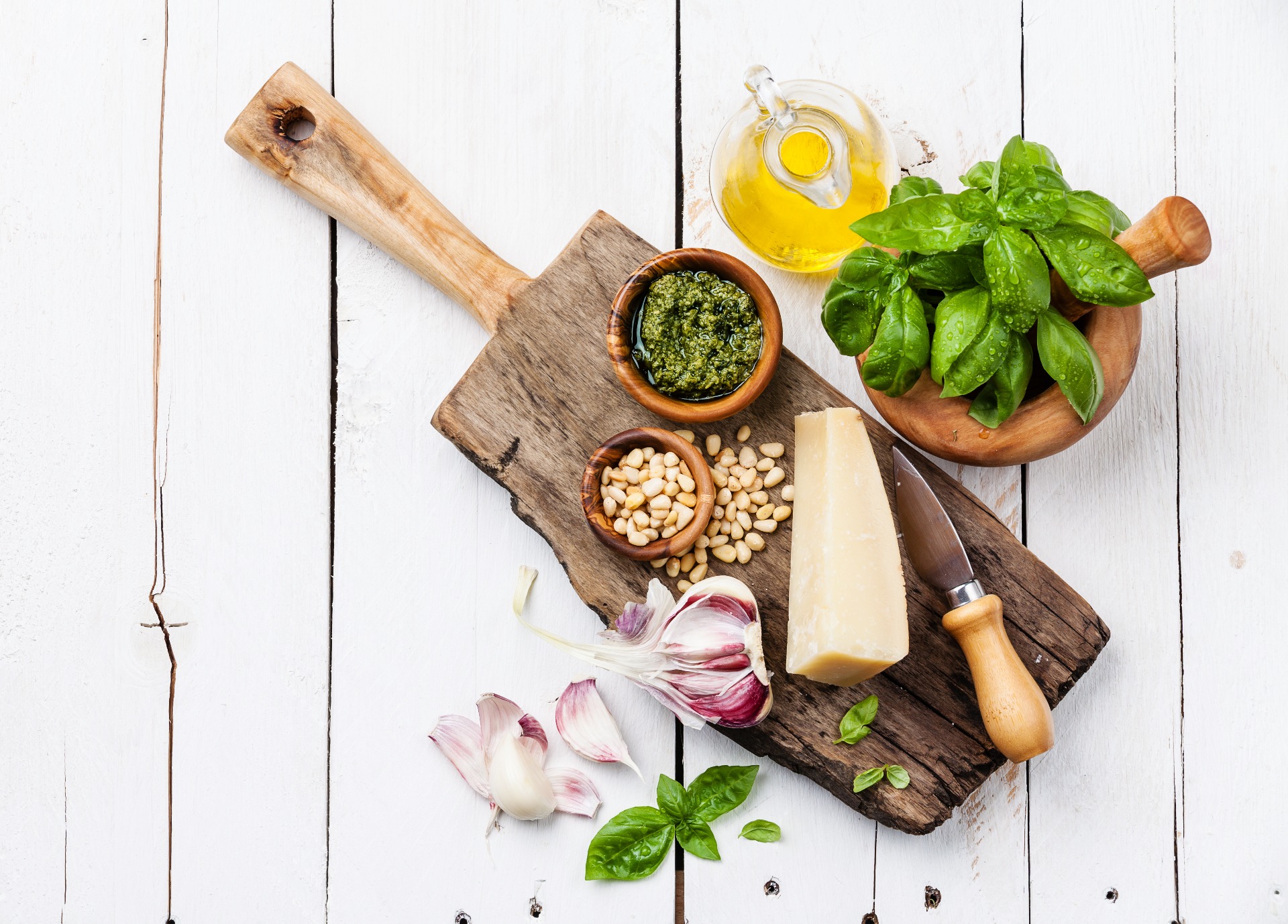
Healthy eating does not need to feel complicated, expensive or restrictive. A flexible approach built around familiar ingredients, colourful vegetables, varied protein, fibre and enjoyable meals is easier to repeat in real life.
Plan around your schedule and what you already have. Preparing a few useful ingredients, keeping adaptable staples available and choosing realistic recipes can reduce last-minute decisions and food waste.
Use vegetables, fruit, herbs and seasonal produce to bring variety to meals.
Choose from eggs, fish, poultry, beans, lentils, tofu, yoghurt, nuts and other suitable options.
Whole grains, vegetables, fruit and pulses can help make meals more satisfying.
Check your kitchen, choose a few meals and make a focused shopping list.
Our recipes and guides use familiar ingredients, metric measurements and Celsius temperatures wherever possible. They are designed around Irish and UK shopping habits, changing seasons, busy schedules and realistic household budgets.
Look for affordable ingredient swaps, batch-cooking ideas and safe ways to store suitable leftovers. Adjust portions and ingredients for your household size, preferences and dietary needs.
Measurements use grams and millilitres, with Celsius and fan-oven guidance where relevant.
Expect familiar Irish and UK terms such as courgette, coriander, beef mince and rocket.
Combine fresh produce with useful frozen, tinned and store-cupboard ingredients.
Use current local guidance for chilling, storing, reheating and checking use-by dates.
Start with three dinners, one prepared lunch or a few versatile ingredients. These detailed guides help you create structure without making the week rigid.
A complete week of breakfasts, lunches, dinners and snacks, with a shopping list, preparation plan and flexible swaps.
Use the meal plan →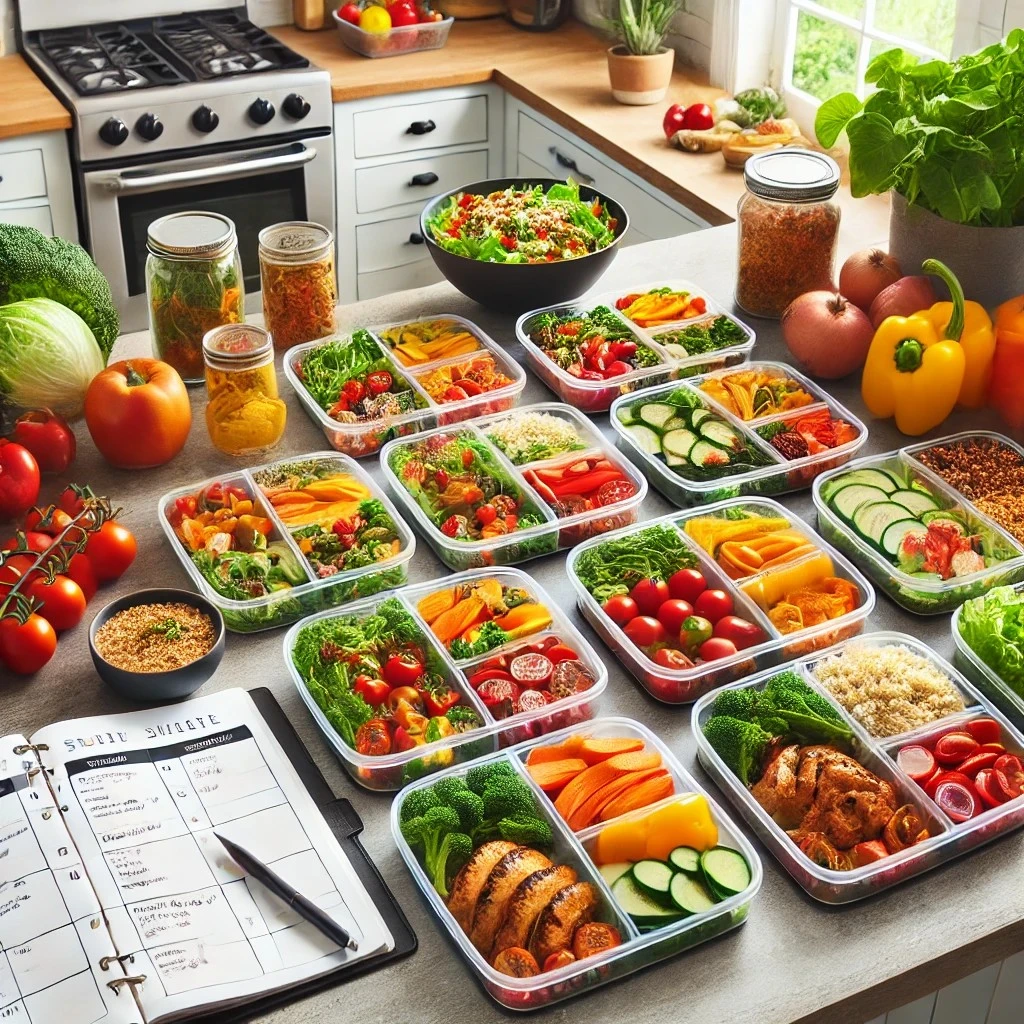
Use a practical 3–2–1 approach to choose meals, shop with purpose and prepare useful ingredients safely.
Read the beginner’s guide →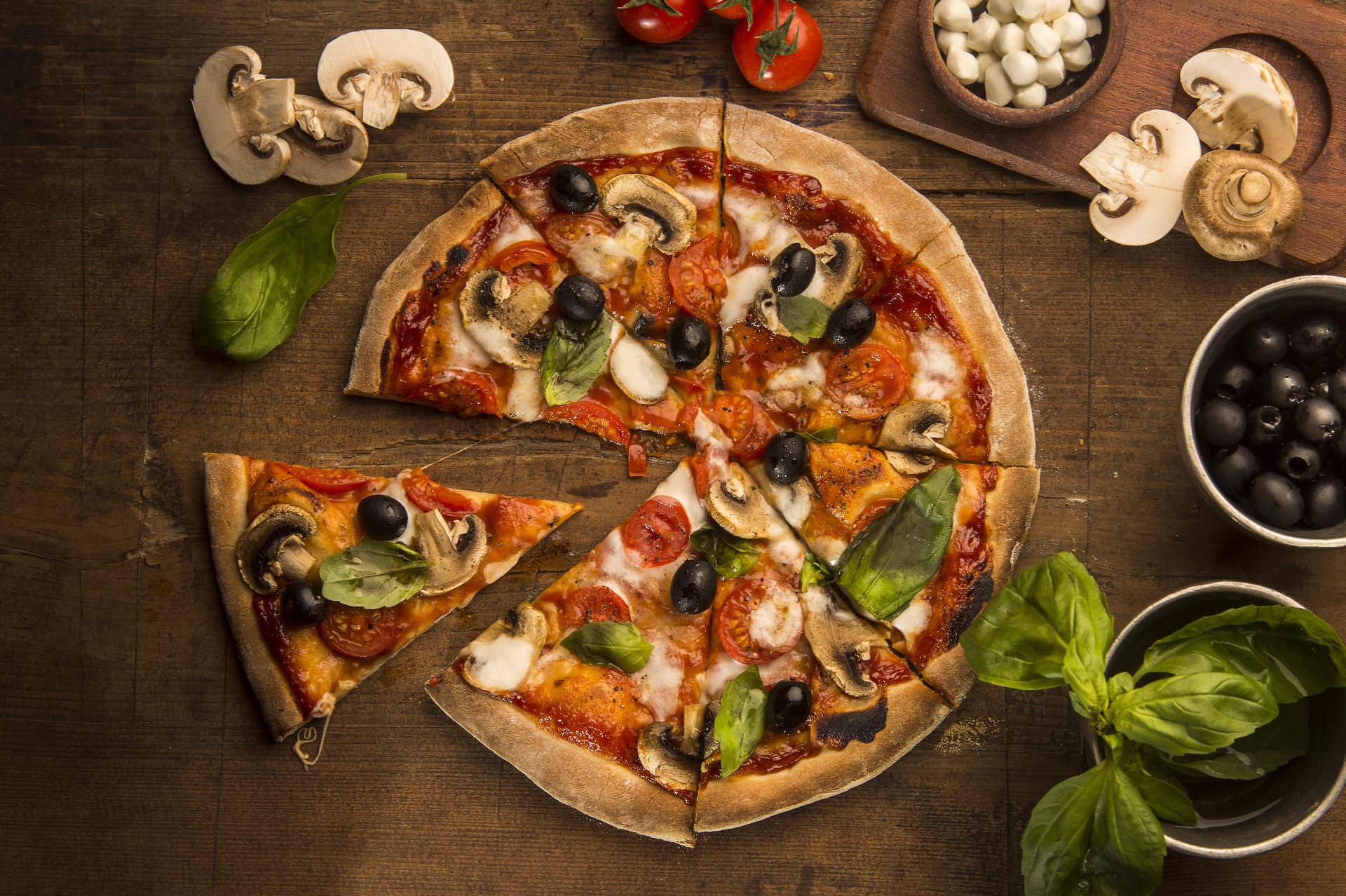
Everyday cooking should feel achievable. Explore quick dinners, a fresh chicken salad and gluten-free ideas that can be adapted around your tastes and household.
If you have an allergy, coeliac disease or another medical dietary need, check every ingredient and seek personalised guidance from an appropriately qualified professional.
Simple home-cooked inspiration for busy evenings, including stir-fry, pasta, taco bowls and traybakes.
Find a quick dinner →A fresh salad with grilled chicken, colourful vegetables and a simple homemade vinaigrette.
View the recipe →Explore flexible bowls, tacos, salmon and plant-based meals using naturally gluten-free ingredients.
Explore gluten-free meals →Make the most of seasonal ingredients or bring people together over a relaxed afternoon tea.
Fresh dishes ready in under 30 minutes, including pea and mint pasta, a strawberry salad and lemon-garlic prawns.
Try the spring recipes →Choose teas, plan a menu and create a welcoming table for a memorable gathering at home.
Plan an afternoon tea →Clearer nutrition thinking and practical storage habits can make everyday cooking more affordable and organised.
Look beyond marketing claims, compare popular foods with everyday alternatives and focus on overall dietary balance.
Read the nutrition guide →Learn practical storage ideas for leafy greens, herbs, mushrooms and everyday produce.
Read the storage tips →Use these primary public-health sources when you need current guidance on balanced eating, leftovers and food safety.
Read the NHS Eatwell Guide and balanced-diet guidance for food-group proportions and practical everyday choices.
Read the NHS Eatwell Guide →Read NHS balanced-diet guidance →Check current advice from safefood for Ireland and the Food Standards Agency for the UK.
Visit safefood’s food-safety guidance →Read FSA leftover-reheating guidance →Use the Interactive Recipes collection when you need a new meal idea, want to plan ahead or feel unsure about what to cook.
Discover more recipes, meal-planning help and practical kitchen ideas.
Connect balanced meals with beginner movement, recovery and practical health guidance.
Visit Fitness & Health →Build a realistic grocery budget and organise wider household spending.
Visit Money & Finance →Create a calmer, better-organised kitchen and home routine.
Visit Home & Living →Explore practical product collections for cooking, organisation and everyday life.
Explore Amazon Finds →Begin with three evening meals, check what you already have and write one focused shopping list. Add more meals only when the smaller plan feels manageable.
Batch cooking means preparing a larger quantity of a meal or ingredient and safely storing suitable portions for later. You can also prepare components such as grains, vegetables or sauces.
Plan around ingredients already at home, store food correctly, use suitable leftovers promptly and freeze portions you will not use in time.
No. Beans, lentils, oats, eggs, frozen vegetables, tinned produce and supermarket-own-brand staples can support varied, balanced meals.
No single food creates a healthy diet. Variety and overall balance across meals matter more than relying on heavily marketed ingredients.
The guides provide general information and are not personalised dietary advice. Seek advice from a GP, registered dietitian or another appropriately qualified professional for allergies, coeliac disease or a health condition affected by food.
Lifestyle Hub Today offers approachable guides, useful tools and realistic ideas to help readers build healthier, happier and more balanced lives.
Learn more about us →Help someone discover approachable recipes and meal-planning support.
This page provides general lifestyle and healthy-eating information. It does not replace personalised medical or dietary advice from a suitably qualified professional.