


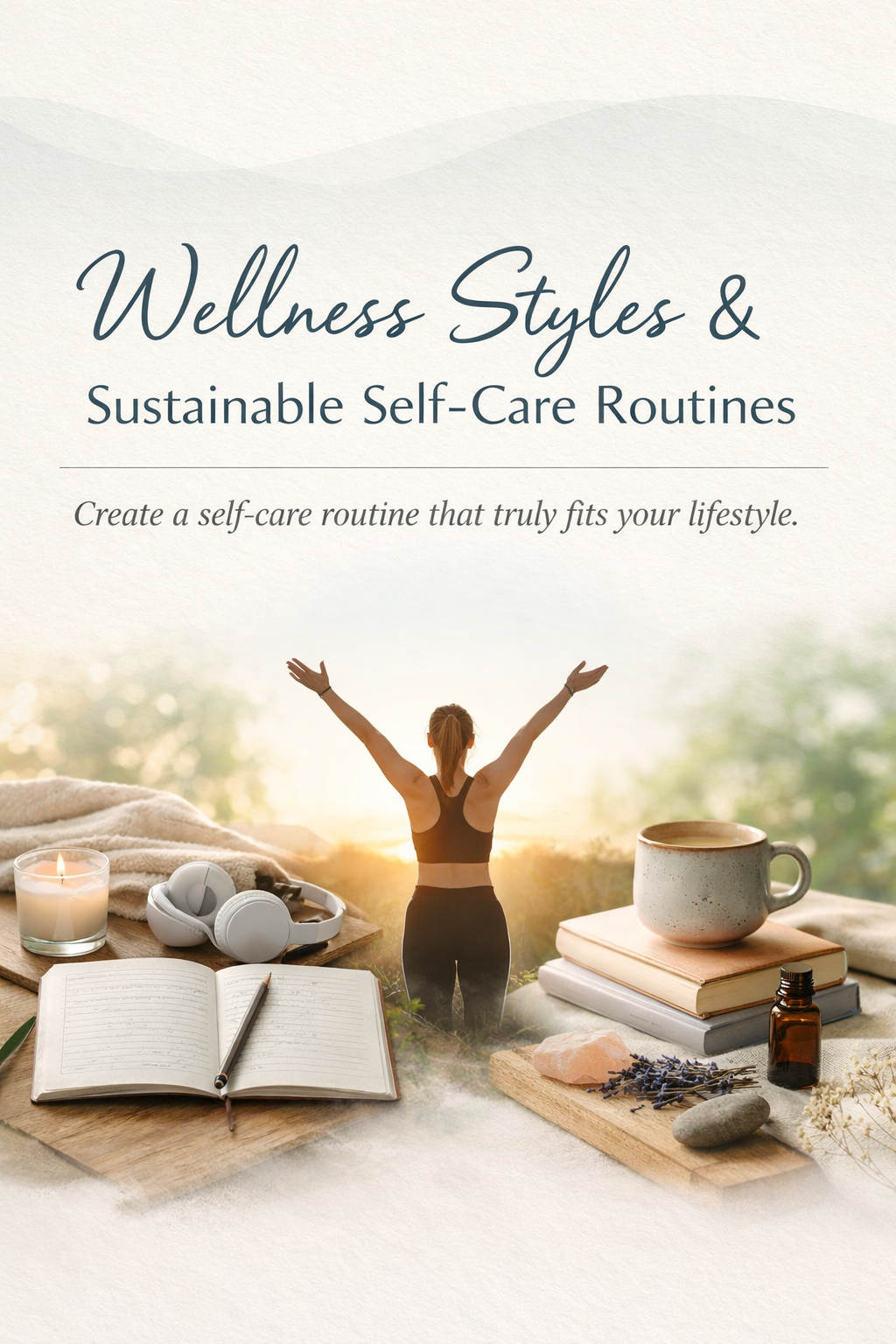
 Featured guide
Discover Your Wellness Style
Build a sustainable routine around your energy, preferences and lifestyle.
Explore your wellness style →Explore practical routines, supportive guides, interactive tools and thoughtfully curated finds designed to make everyday wellbeing feel realistic and achievable.

Self-care is the intentional practice of looking after your physical, emotional, mental, social and practical needs so you can maintain good health and cope more effectively with everyday life.
Self-care can be as simple as getting enough sleep, eating nourishing meals, moving regularly, setting healthy boundaries, spending time outdoors or making room for something you enjoy.
The most useful routine is not the most impressive one. Begin with one manageable action and adapt it when your schedule, responsibilities or wellbeing change.
Long-lasting wellbeing is built through balance rather than perfection.
Support your body through sleep, hydration, nourishing food, movement and appropriate healthcare.
Give your mind space to rest, focus, learn and recover from information overload.
Recognise your feelings, practise self-compassion and seek support when needed.
Nurture supportive relationships while maintaining healthy personal boundaries.
Create routines and surroundings that make everyday life calmer and easier to manage.
Keep developing through reflection, learning, achievable goals and meaningful experiences.
Noticing small changes gives you an opportunity to pause and respond before you reach complete exhaustion.
Feeling drained most days, even after you have rested.
Ordinary responsibilities begin to feel unusually difficult.
Small frustrations feel larger when your reserves are low.
Mental fatigue affects concentration, memory or decisions.
You find it difficult to switch off or wake without feeling refreshed.
You lose interest in hobbies or avoid people you usually enjoy.
Begin with one habit, allow it to become familiar and add another only when you are ready.
Drink water, get natural light, stretch gently and choose your main priority.
Take screen breaks, move regularly, eat nourishing meals and step outside where possible.
Reduce stimulation, prepare for tomorrow and create a calming transition towards sleep.
The newest matching articles from Lifestyle Hub Today.
Understand what supports you and create habits that remain manageable during busy weeks.
Featured guideBuild a sustainable routine around your energy, preferences and lifestyle.
Explore your wellness style →Choose supportive activities and create a toolkit that reflects your real needs.
Build your routine → For busy weeks
Try realistic practices that take only a few minutes and cost little or nothing.
Find practical ideas →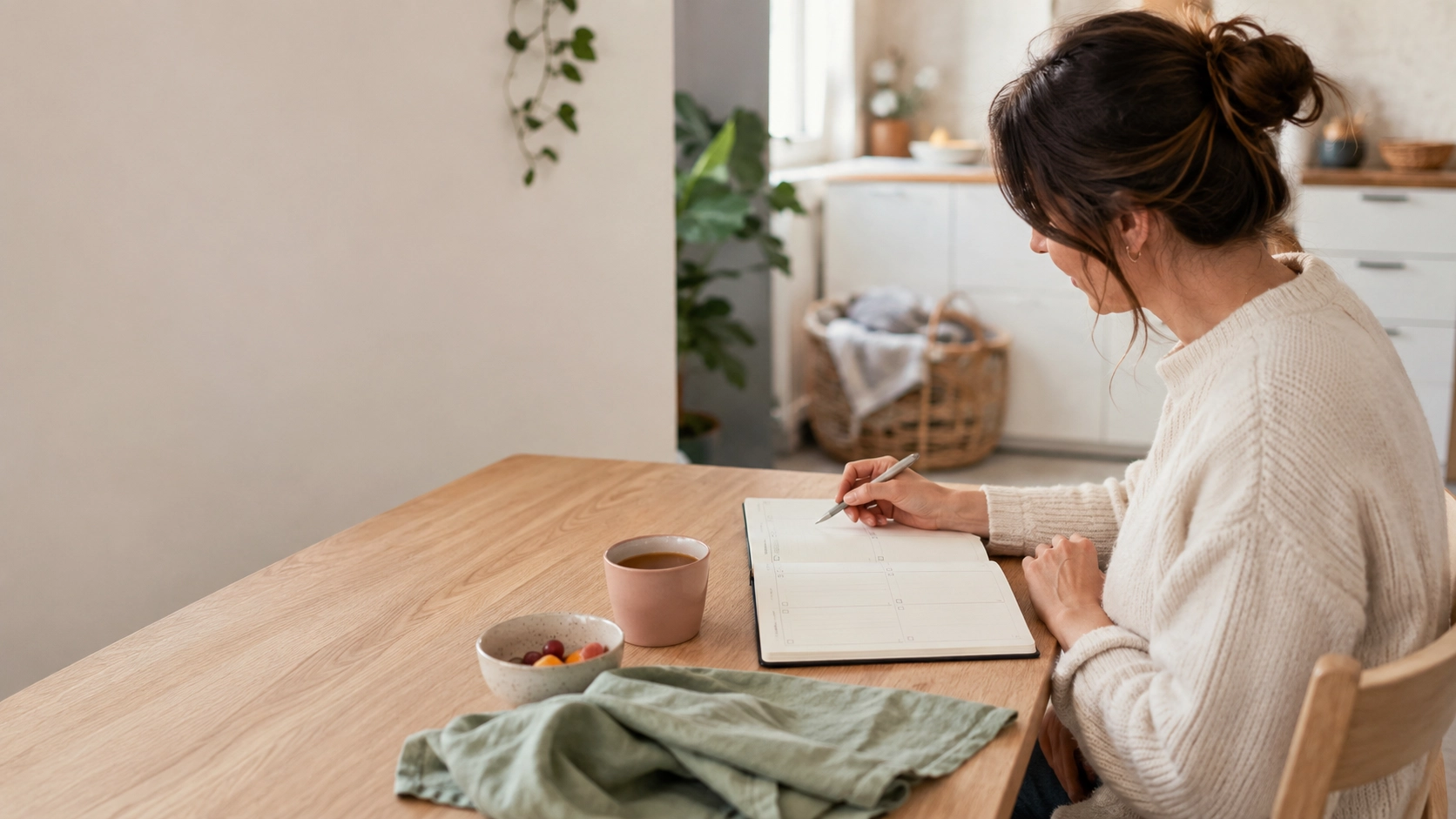 Weekly routine
Use a flexible checklist covering your calendar, meals, home, money and wellbeing.
Start the Sunday reset →Turn an everyday shower into a slower beauty and wellbeing ritual.
Create your shower ritual →Recognise invisible stress and create space for recovery without adding more demands.
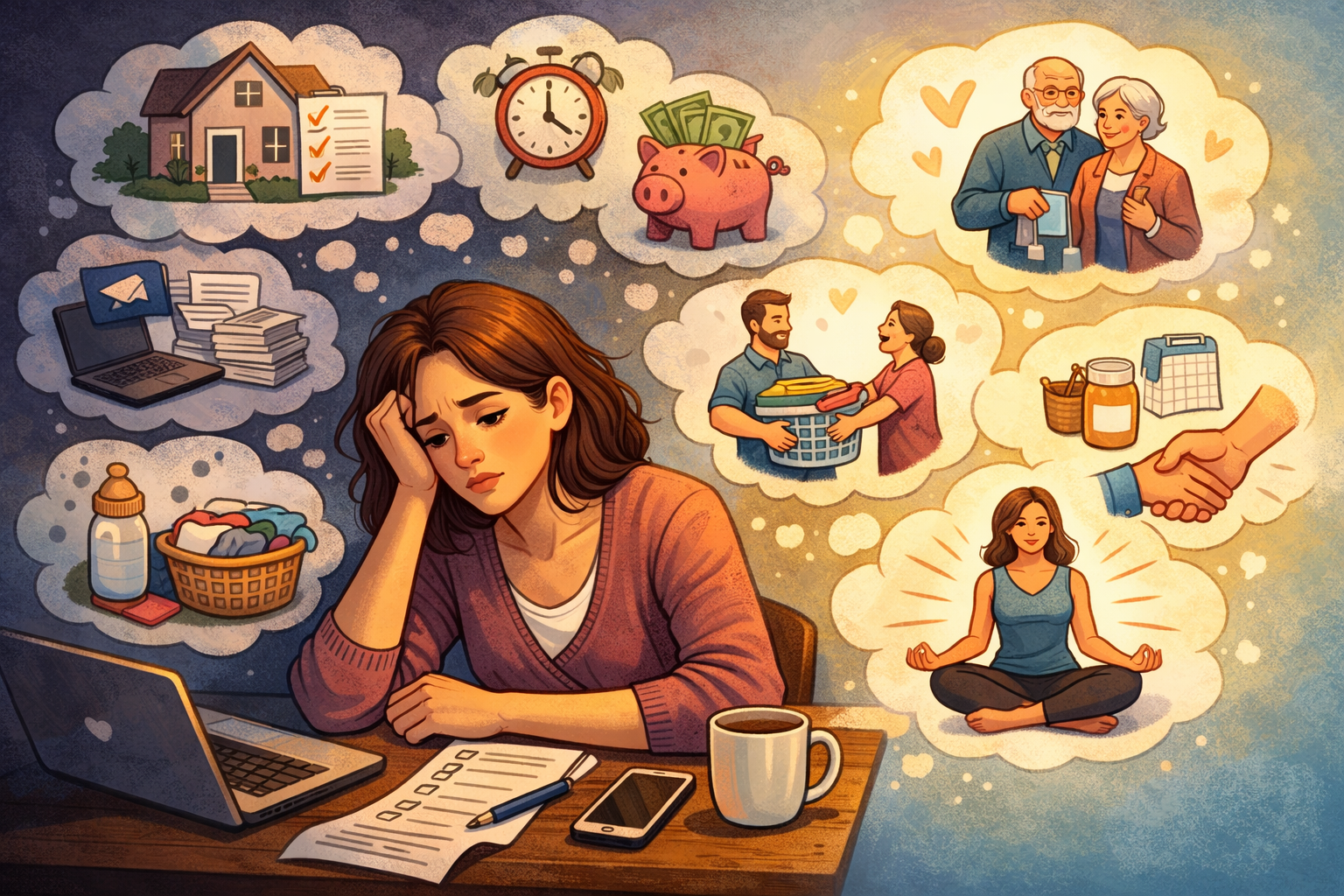 Mental wellbeing
Understand the invisible work of planning, remembering and anticipating.
Lighten the mental load →Strengthen habits, confidence, relationships and emotional awareness.
Explore the wellbeing guide →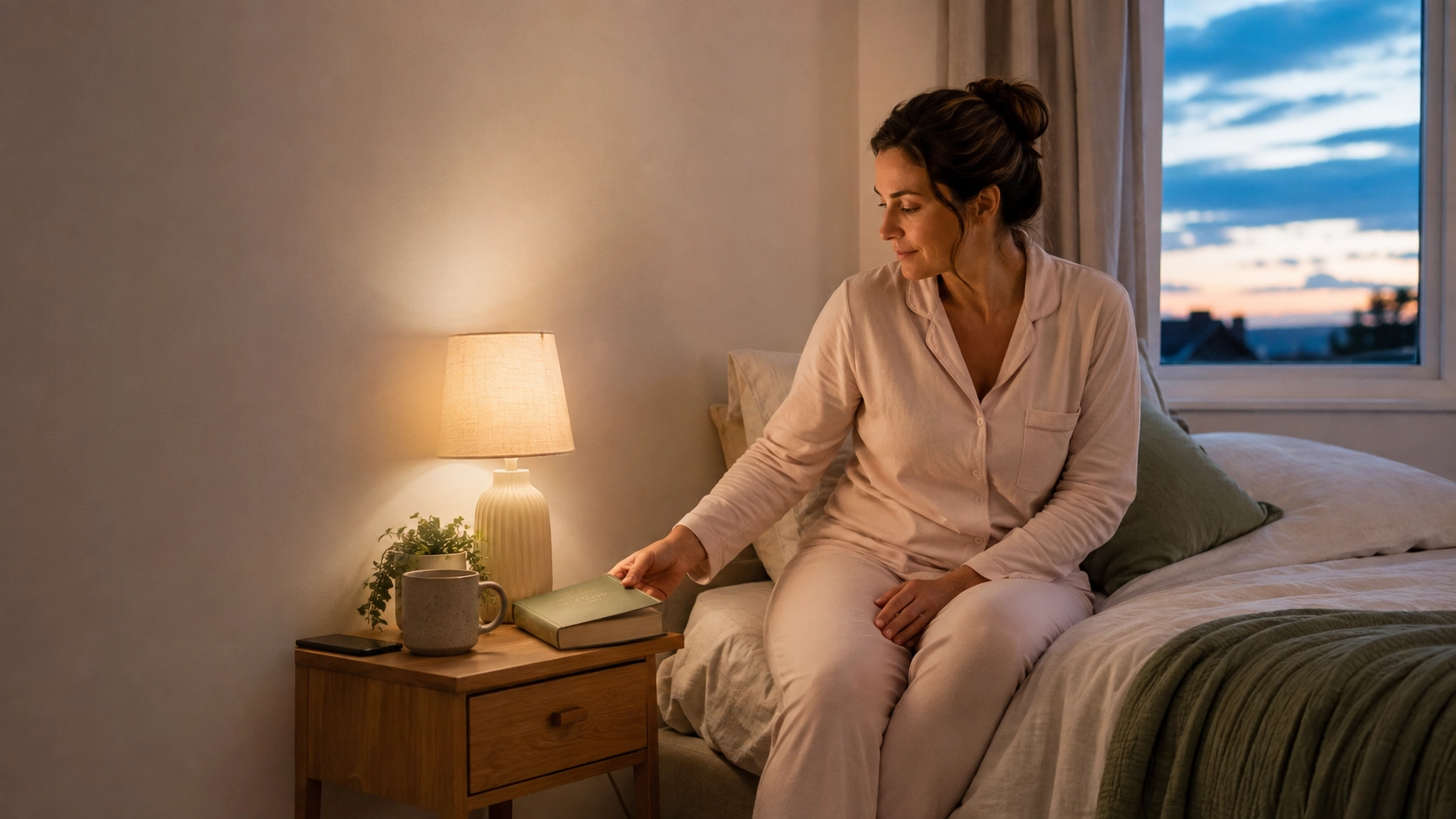 Sleep guide
Use realistic daytime habits and a flexible bedtime routine.
Improve your sleep routine →Turn a simple cup of tea into a mindful transition towards rest.
Create a tea ritual →Understand symptoms, treatment choices and trusted sources of support.
Read the menopause guide →Turn useful ideas into action with supportive quizzes and practical tools.
Discover the routine that may best suit your preferences and lifestyle.
Take the quiz →Take a short mindful break with a simple bubble-popping activity.
Play now →Explore your natural daily rhythm and periods of alertness.
Take the quiz →Track goals, recognise progress and build supportive habits.
Open the dashboard →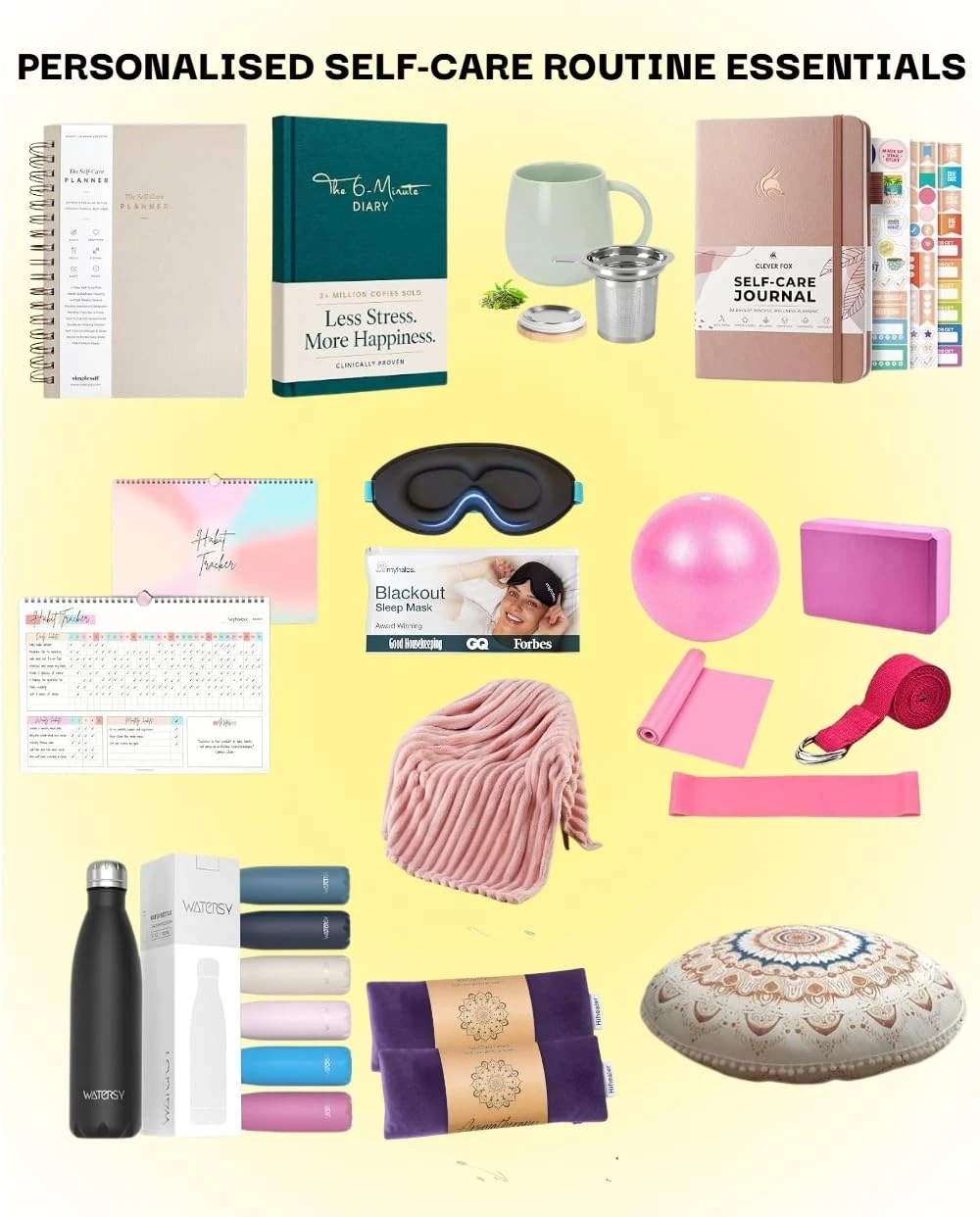
Explore thoughtfully organised Amazon finds for comforting routines, mindful moments and restorative everyday self-care. Choose only what genuinely complements your needs and budget.
Affiliate disclosure: linked collections may contain affiliate links. As an Amazon Associate, Lifestyle Hub Today earns from qualifying purchases at no extra cost to you. Prices and availability may change.
Self-care is the intentional practice of looking after your physical, mental, emotional, social and practical wellbeing through healthy, supportive habits.
Begin with one small action that fits your existing day, such as drinking water after waking, taking a short walk or switching off screens before bed.
Yes. Quality sleep is one of the foundations of physical and mental wellbeing. A consistent wake time and realistic wind-down routine can help create better conditions for sleep.
Consistency matters more than duration. Even five to fifteen intentional minutes can be useful when the habit is realistic and repeated.
No. Walking, resting, stretching, journalling, mindful breathing and spending time with supportive people can all be free. Products are optional.
Help someone discover practical routines and supportive wellbeing guidance.

Lifestyle Hub Today shares practical, accessible guides and tools across self-care, personal growth, health, home, food, family, money, career, travel and everyday living.