
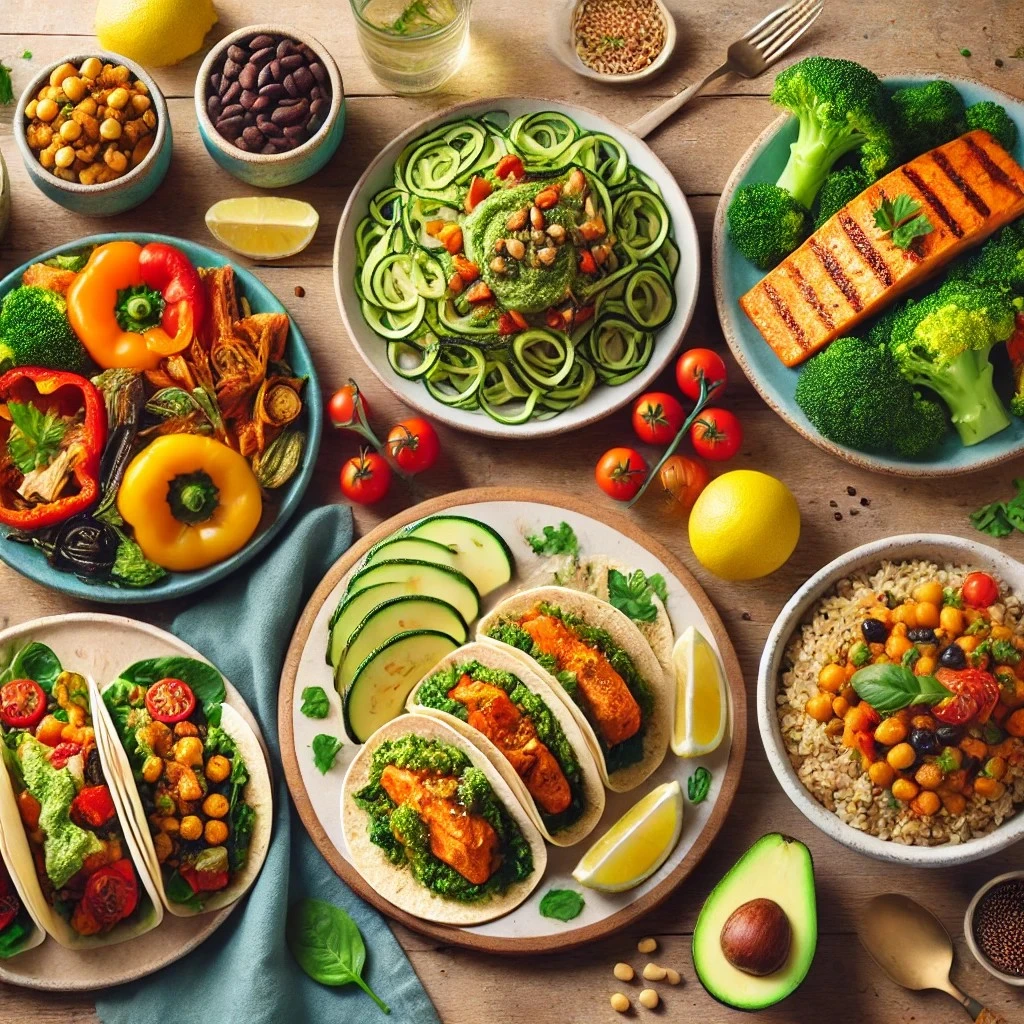
Build satisfying gluten-free meals around naturally gluten-free ingredients such as potatoes, rice, vegetables, beans, eggs, fish and suitable proteins — without relying on specialist substitutes for every meal.
Updated October 2026 · Lifestyle Hub Today
The easiest place to start
Choose meals that are naturally gluten-free first. A baked potato with toppings, rice bowl, omelette, lentil curry or traybake can often be simpler than recreating bread- or pasta-based dishes with specialist substitutes.
What Does Gluten-Free Mean?
Gluten is a protein found in grains including wheat, barley and rye. People with coeliac disease need to follow a strict gluten-free diet because consuming gluten causes an autoimmune reaction that can damage the small intestine.
A gluten-free diet may also be recommended in some other circumstances, but removing gluten is not automatically healthier for everyone.
Foods That Are Naturally Gluten-Free
Building meals around naturally gluten-free foods can make everyday cooking simpler and reduce reliance on specialist replacement products.
5 Healthy Gluten-Free Meal Ideas
These are flexible meal templates rather than rigid recipes. Adjust quantities, seasonings and ingredients to suit your household and nutritional needs.
Loaded Baked Potato with Beans & Vegetables
Baked potatoes make an inexpensive naturally gluten-free base and can be topped in several different ways.
Try:- baked potato or sweet potato;
- beans or lentils;
- roasted peppers, spinach, sweetcorn or broccoli;
- plain yoghurt, grated cheese or a suitable dairy-free alternative;
- fresh herbs or spring onion.
Meal-prep tip: cook several potatoes when the oven is already on and refrigerate suitable extras promptly for another meal.
Chicken, Tofu or Chickpea Rice Bowl
Rice bowls are easy to vary and can use cooked vegetables and proteins already prepared earlier in the week.
Build the bowl with:- rice;
- chicken, tofu or chickpeas;
- broccoli, carrots, peppers or edamame;
- avocado or seeds if desired;
- a clearly labelled gluten-free dressing or sauce.
Coeliac note: ordinary soy sauce normally contains wheat. Choose a product specifically labelled gluten-free when needed.
Vegetable & Lentil Curry with Rice
Lentils work well in batch-cooked curries and add fibre and plant protein.
Try:- red or green lentils;
- onion and garlic;
- tinned tomatoes or coconut milk;
- spinach, cauliflower, peppers or peas;
- individual herbs and spices;
- rice for serving.
Label check: stock cubes, spice blends, curry pastes and sauces can vary, so check each packaged ingredient.
Vegetable Omelette with Potatoes & Salad
Eggs make a useful option when you need a quick dinner and do not want to use specialist gluten-free replacement foods.
Try:- eggs;
- mushrooms, peppers, spinach or tomato;
- cooked potatoes or potato wedges;
- a simple side salad;
- cheese if suitable.
Leftover cooked vegetables can make this an especially useful end-of-week meal.
Salmon, Potatoes & Roasted Vegetables
A simple tray-style meal can keep both preparation and washing-up manageable.
Try:- salmon or another suitable fish;
- baby potatoes;
- broccoli, courgette, peppers or carrots;
- lemon;
- herbs and suitable oil.
If using a marinade, seasoning mix or bottled sauce, check that it is suitable for your gluten-free requirements.
Easy Gluten-Free Swaps
| Instead of | Try | Remember |
|---|---|---|
| Regular pasta | Gluten-free pasta, rice, potatoes or quinoa | Check the label on specialist pasta. |
| Ordinary bread | Certified gluten-free bread, potatoes or rice cakes | Prevent toaster and breadcrumb cross-contamination if medically required. |
| Wheat wraps | Gluten-free wraps, corn tortillas or rice bowls | Check tortillas individually because formulations vary. |
| Ordinary soy sauce | Gluten-free soy sauce or suitable tamari | Always check the label. |
| Regular flour | Suitable gluten-free flour blend | Baking behaviour can differ, so use a suitable recipe. |
| Ordinary oats | Oats specifically labelled gluten-free when suitable | Standard oats can be contaminated with gluten-containing cereals. |
How to Meal-Plan Gluten-Free Food
A gluten-free week does not need seven specialist recipes. Start with naturally gluten-free meals and use overlapping ingredients.
For a full weekly planning system, use the Meal Planning & Batch Cooking for Beginners guide .
The 7-Day Healthy Meal Plan also includes practical gluten-free substitutions.
Gluten-Free Cooking for Coeliac Disease
For coeliac disease, choosing ingredients without wheat, barley or rye is only one part of safe preparation. Cross-contamination also matters.
Is Gluten-Free Automatically Healthier?
No. A gluten-free label only tells you something about gluten content. It does not automatically mean a food is higher in fibre, lower in sugar or more nutritious.
Some packaged gluten-free foods can be useful replacements, particularly for bread, pasta and baking, but everyday meals can still be based around ordinary foods such as vegetables, potatoes, rice, pulses, fruit, eggs, fish and other suitable protein foods.
Gluten-Free Meals for an Active Lifestyle
A gluten-free diet can still provide carbohydrate, protein, fibre and other nutrients needed for an active routine.
If you are also building your fitness routine, see the Beginner Workout Plan and the Post-Workout Recovery Planner .
Need more everyday meal inspiration?
Explore the Lifestyle Hub Today recipe tools and meal-planning guides for adaptable breakfast, lunch and dinner ideas.
Explore Interactive Recipes →Gluten-Free Meal FAQs
What are some easy naturally gluten-free meals?
Baked potatoes with toppings, rice bowls, vegetable omelettes, lentil curries and fish with potatoes and vegetables are examples that can be naturally gluten-free when all packaged ingredients are suitable.
Is rice gluten-free?
Plain rice is naturally gluten-free. Flavoured rice products and sauces may contain additional ingredients, so check labels where a strict gluten-free diet is required.
Are potatoes gluten-free?
Plain potatoes are naturally gluten-free. Coatings, seasoning mixes, sauces and some processed potato products need checking.
Are oats gluten-free?
Oats themselves do not contain the same gluten found in wheat, barley and rye, but ordinary oats are at significant risk of contamination. People requiring a strict gluten-free diet should use appropriately labelled gluten-free oats where suitable for them.
Is gluten-free food healthier?
Not automatically. Gluten-free describes gluten content rather than overall nutritional quality. A varied diet is still important.
Should I stop eating gluten if I think I have coeliac disease?
No. Speak with your GP before removing gluten because coeliac testing needs to be carried out while you are still eating gluten for the results to be reliable.
How do I avoid gluten cross-contamination?
Keep gluten-free foods away from crumbs and flour, use clean preparation surfaces and utensils, and be particularly careful with shared toasters, chopping boards and spreads.
Lifestyle Hub Today creates practical lifestyle guides and free tools primarily for readers in Ireland and the UK. Our food and nutrition content focuses on realistic meals, clear guidance and making everyday healthy eating easier to organise.
Learn more about Lifestyle Hub Today →This guide provides general educational information and does not replace personalised medical or dietetic advice. · Privacy
