

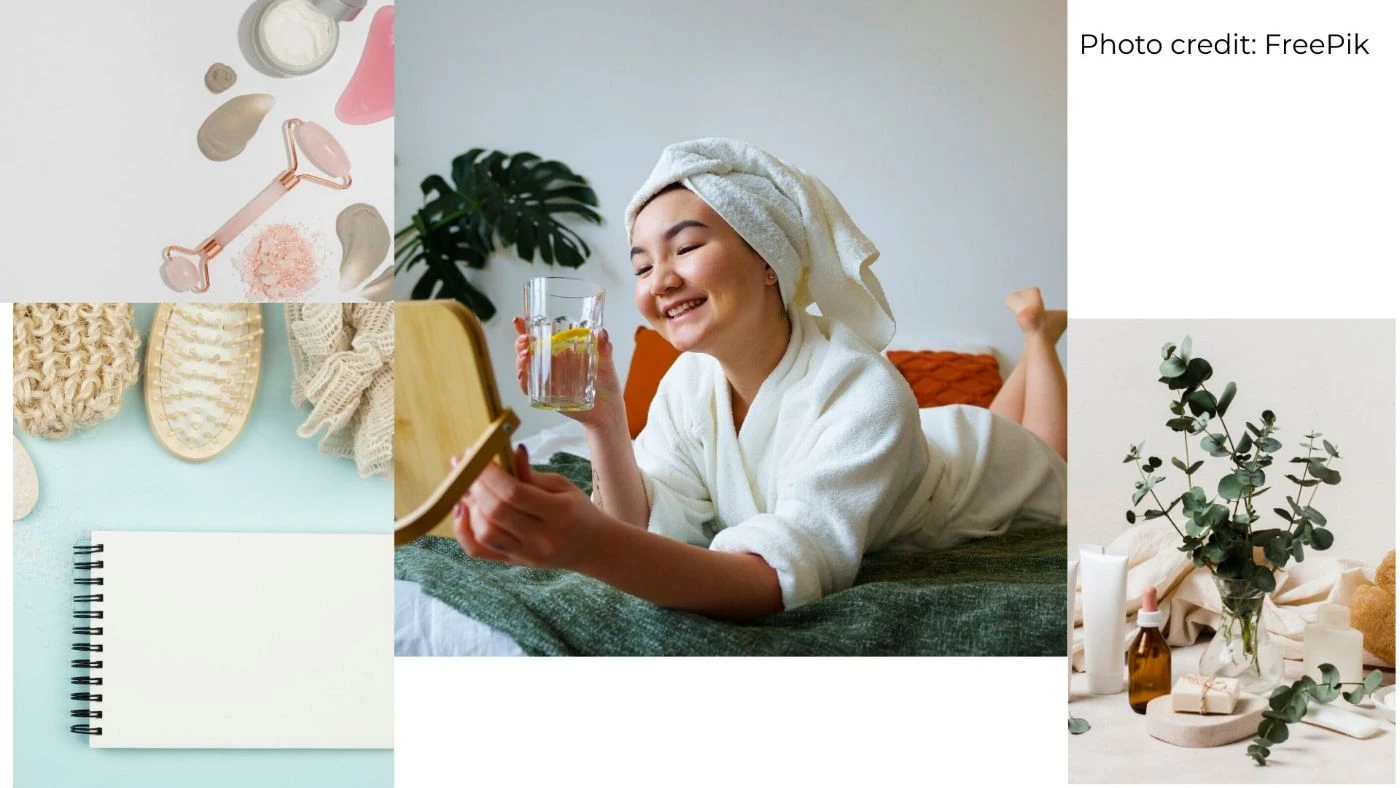
Steps to Create a Personalised Self-Care Routine
Self-care is an important part of maintaining balance in everyday life. Creating a personalised routine allows you to focus on habits, tools and activities that genuinely support your wellbeing.
Whether you want to reduce stress, improve mental clarity or create more peaceful moments during the day, a customised self-care toolkit can give you realistic options to choose from.
Explore more practical ideas in the complete Lifestyle Hub Today Self-Care Guide .
Why personalised self-care matters
Self-care can support your emotional, mental and physical wellbeing, but the same routine will not suit everyone. Your choices should reflect your current needs, preferences, available time and energy.
A self-care toolkit is simply a collection of useful items and activities you can turn to when you need rest, comfort, reflection or a change of pace.
The aim is not to create a perfect routine. It is to make supportive options easier to access when you need them.
Step 1: Assess your self-care needs
Before collecting products or planning activities, consider which areas of your life currently need the most support:
- Emotional wellbeing
- Physical comfort and energy
- Mental clarity and concentration
- Rest and relaxation
- Social connection
- Practical organisation
Ask yourself what usually helps, what feels difficult and how much time you can realistically give to self-care during an ordinary week.
You may also find it helpful to explore simple self-care practices for a more harmonious life before choosing your routine.
Step 2: Collect useful self-care essentials
Your toolkit can include a small selection of items and activities that promote comfort, relaxation, creativity or reflection. You do not need to include every category.
Aromatherapy and fragrance
If you enjoy fragrance, you might include a candle, diffuser, shower steamer or suitably diluted aromatherapy product.
- Lavender or another fragrance you associate with relaxation
- Peppermint or citrus scents for a fresher atmosphere
- A favourite candle or room fragrance
- An unscented alternative if fragrance irritates you
Follow the individual product directions. Essential oils should not automatically be applied directly to skin, and fragranced products may not suit people with sensitivities.
Soothing drinks
Preparing a warm drink can provide a simple transition between a busy part of the day and a quieter activity.
- Chamomile or another caffeine-free herbal tea
- Peppermint tea
- Lemon balm tea
- Warm water or another drink you genuinely enjoy
Check suitability if you are pregnant, taking medication or managing a medical condition, as herbal products can have restrictions or interactions.
Uplifting books
Books can offer comfort, entertainment, reflection or a temporary break from screens.
- A familiar novel you enjoy
- A personal-development book
- A collection of poetry or affirmations
- A practical guide to mindfulness or relaxation
Journalling supplies
Writing can help you organise thoughts, record what is working and identify what needs more attention.
- A notebook or journal
- Comfortable pens or coloured markers
- Guided journalling prompts
- A short gratitude or reflection list
If emotional overwhelm is part of your daily routine, you may also benefit from understanding the mental load many people carry and how to lighten it .
Comforting items
Small, familiar comforts can make a quiet routine easier to begin.
- A soft blanket
- Cosy socks or slippers
- A reusable heat pad or eye mask
- A favourite cushion or comfort item
Body-care rituals
Body care can be included when it feels comfortable and supportive. You might choose a warm shower, moisturising after bathing or a few minutes of gentle skincare.
If caring for dry skin helps you slow down, include a simple post-shower body-oil routine in your toolkit. Apply only a small amount, follow the product directions and take care because spilled oil can make bathroom surfaces slippery.
Relaxing sounds and music
Music and background sounds can help create a calmer environment.
- Create a playlist of calming music
- Listen to nature sounds or gentle background noise
- Use a white-noise machine or app
- Choose silence when sound feels overstimulating
Enjoyable activities
Self-care does not need to be passive. Include activities that help you feel absorbed, creative or physically comfortable.
- A colouring book or sketchpad
- A small craft project
- Gentle yoga or stretching
- A guided meditation
- A walk or time outdoors
- A favourite film, programme or podcast
Step 3: Customise your self-care toolkit
After choosing your items and activities, organise them in a way that fits your lifestyle.
You might create:
- A portable pouch containing a notebook, headphones and a comfort item
- A bedside basket for a short evening routine
- A bathroom collection for shower and body care
- A dedicated chair or quiet corner for reading and reflection
- A digital folder containing playlists, prompts and meditation recordings
Keep frequently used items visible and easy to reach. A toolkit hidden at the back of a cupboard is less likely to become part of your routine.
Personal boundaries are also an important part of emotional self-care. Learning how to set boundaries without feeling guilty can help protect your time and energy.
Step 4: Make regular use of your toolkit
Collecting self-care products is only useful when the toolkit supports real habits. Begin with one small practice rather than attempting a complicated daily routine.
- Schedule one or two realistic self-care moments each week
- Keep a five-minute option available for busy days
- Rotate items according to the season or your current needs
- Remove products or activities you no longer enjoy
- Notice whether the routine leaves you calmer, energised or more supported
Your routine can change. A useful toolkit during a stressful working week may look different from one designed for a quiet weekend.
Final thoughts
A personalised self-care toolkit can make supportive choices easier to access. It might include tea, journalling, comfortable clothing, a short body-care routine, music or a creative activity.
Choose what genuinely helps rather than filling the toolkit with products you feel you should use. Begin with a few practical options and adapt them as your needs change.
Frequently asked questions
What is a personalised self-care routine?
A personalised self-care routine is a collection of habits, tools and activities chosen to support your individual emotional, mental and physical needs.
What should be included in a self-care toolkit?
Your toolkit can include journalling supplies, books, music, comforting items, suitable body-care products and activities that help you rest, reflect or recharge. Only include items you are likely to use.
How often should I practise self-care?
You might use small self-care habits daily and choose longer activities weekly or occasionally. Frequency matters less than choosing a routine that fits your time, energy and current needs.
Can body care be part of a self-care routine?
Yes. A warm shower, applying moisturiser or following a short body-oil routine can be included when it feels comfortable and does not cause irritation.
What if self-care feels like another task?
Reduce the routine to one simple action, such as making a drink, taking five quiet minutes or going outside briefly. Self-care should not become another standard you feel pressured to meet.
Continue your self-care routine
Important: Lifestyle Hub Today provides general self-care information and inspiration. This article does not replace personalised medical or mental-health advice. Seek appropriate professional support if you are struggling with persistent distress, burnout or another health concern.