
Physical wellness
Support energy and mobility through movement, hydration, nourishing food, rest and routine healthcare that suits your needs.
Explore Fitness & Health →Build a healthier, calmer routine with practical wellness tips for movement, food, sleep, emotional wellbeing, mindfulness and connection—one manageable choice at a time.

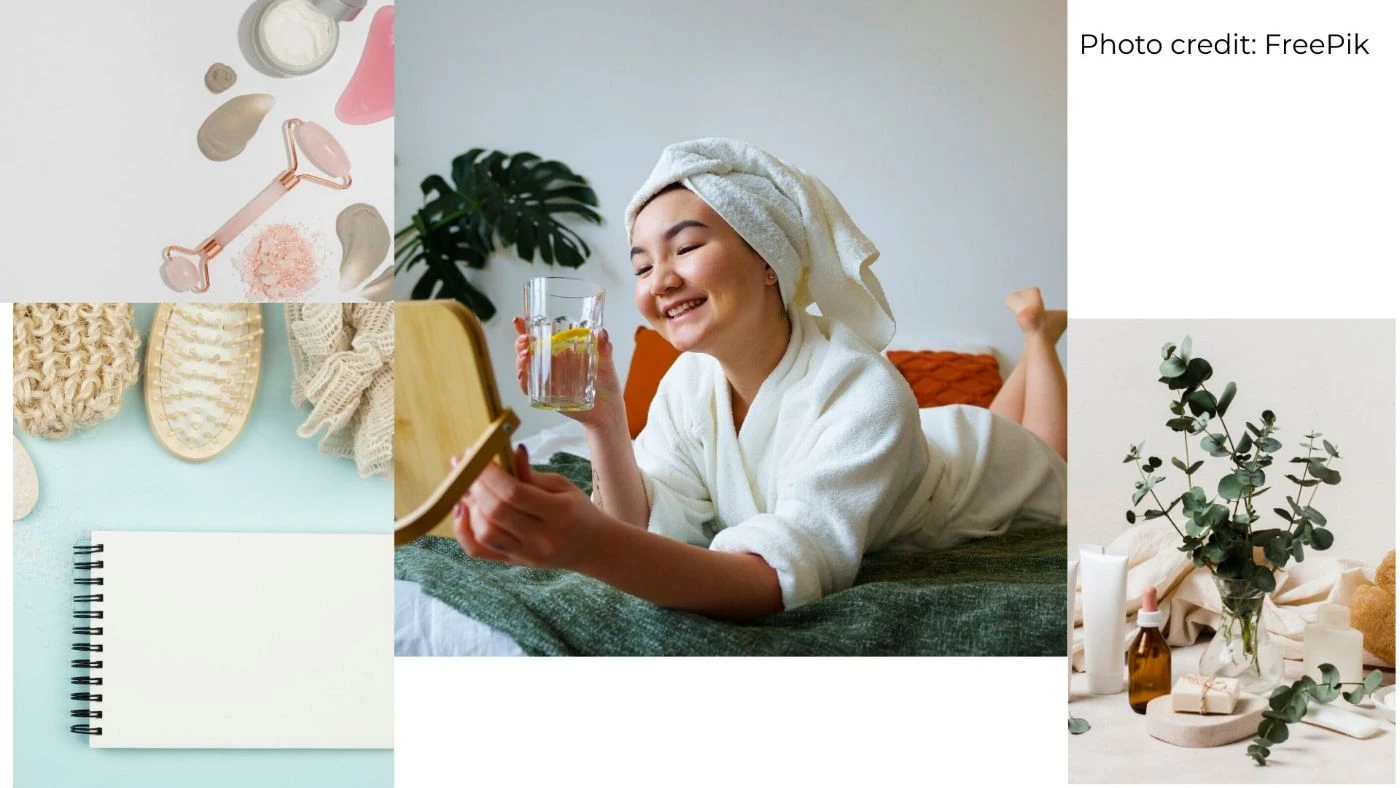
Wellness is the ongoing practice of supporting your physical, mental, emotional and social wellbeing. It is not a perfect routine, a particular body type or a long list of tasks. It is a flexible way of noticing what you need and making realistic choices that help you function and feel better.
Some days wellness may look like movement and a nourishing meal. On others, it may mean rest, a boundary, a conversation or asking for professional support. The aim is not optimisation—it is a more sustainable relationship with your health and daily life.
These areas overlap. You do not need to work on all six at once; use them as a gentle check-in to see where support would help most today.
Support energy and mobility through movement, hydration, nourishing food, rest and routine healthcare that suits your needs.
Explore Fitness & Health →Create space for focus, learning and mental recovery. Reduce unnecessary overload and seek qualified help when difficulties persist.
Lighten the mental load →Notice feelings without judgement, practise supportive self-talk and use boundaries that protect your capacity and values.
Set boundaries without guilt →Make room for pauses, recovery and a consistent wind-down rhythm. Rest is a basic need, not something that must be earned.
Create an evening ritual →Return attention to the present through breathing, reflection, gratitude or time outdoors—without demanding a perfectly calm mind.
Learn mindfulness basics →Nurture relationships that offer belonging, honesty and mutual support. Connection can be quiet, local and shaped around your energy.
Explore family wellbeing →
A small action chosen for today
Take a slow breath and notice what would support you today.
Your completed tips and favourites are saved only in this browser. They are not sent to Lifestyle Hub Today.
A useful routine should reduce friction, not create another standard you feel you are failing to meet.

Ask what feels most depleted: energy, calm, nourishment, sleep or connection. Begin with the area that would make daily life feel a little easier.
Make it clear and achievable—such as filling a water bottle, walking for five minutes or putting your phone down ten minutes before bed.
Pair the action with something already reliable: after brushing your teeth, before lunch, when closing your laptop or after making evening tea.
After a week, notice what helped. Adapt the habit to your capacity rather than treating a missed day as failure. Flexible routines tend to last longer.
Go deeper with practical guidance chosen to support the six wellness dimensions without overwhelming your routine.
Understand how your energy, preferences and lifestyle can shape a more sustainable approach to self-care.
Read the guide →Use low-pressure habits and practical anchors when time, energy and responsibilities compete for attention.
Read the guide →Explore approachable mindfulness practices that can help you pause, notice and respond more intentionally.
Read the guide →Learn how cues and simple routines can reduce decision fatigue and create a steadier start to the day.
Read the guide →Discover realistic ways to use outdoor time as a restorative part of your everyday wellbeing routine.
Read the guide →Protect time and energy with boundaries that help work, home and recovery coexist more sustainably.
Read the guide →Use an interactive tool for a personalised starting point, or explore the specialist hub that matches what you need.
Answer a few questions to discover a self-care approach shaped around your preferences and routine.
Take the quizFind routines, signs you need more care, daily practices and supportive guides for mind and emotions.
Visit Self-CareExplore beginner-friendly movement, recovery, nutrition planning and interactive health tools.
Visit Fitness & HealthFind practical planners, downloadable guides, quizzes and interactive tools designed to support healthier everyday habits.
Explore wellness resourcesWellness is an ongoing, whole-life approach to supporting physical, mental, emotional and social wellbeing. It involves flexible choices and habits rather than achieving a fixed or perfect state.
This hub uses six practical dimensions: physical wellness, mental wellness, emotional wellness, rest and sleep, mindfulness, and social connection. Other models may group or name these areas differently.
Begin with one area that needs support and choose a small action that fits your current capacity. Link it to an existing part of your day, try it for a week and adjust without judgement.
Wellness is the broader state and ongoing process of supporting your whole wellbeing. Self-care describes the intentional actions you take to support it. Self-care is therefore one part of a wider wellness approach.
Helpful actions can take a minute or become part of a longer routine. The best starting point is an action that is safe, realistic and repeatable for you; duration matters less than fit and consistency.
No. General wellness information cannot diagnose, treat or replace advice from a qualified healthcare professional. Seek appropriate medical or mental-health support for symptoms, concerns or significant distress.
Health information: This page provides general educational information and is not medical advice. Individual needs vary. Speak with a qualified healthcare professional before making significant changes or if you have symptoms, a health condition, are pregnant, take medication or need personal support.
Choose a tip, save a useful guide or explore the resources designed to support your next step—without pressure to change everything at once.