
Home › Family › Family routines
Family & Parenting · A flexible weekly plan
Calmer Mornings, Easier Evenings and a Week You Can Share
A family routine works best when it fits the people living it. This practical guide helps you organise school mornings, meals, household jobs and bedtime without filling every spare minute.
Designed for everyday family life in Ireland and England, with adaptable examples for different ages, working patterns and households.
Affiliate disclosure: This article contains Amazon affiliate links. As an Amazon Associate, Lifestyle Hub Today earns from qualifying purchases.
How to Create a Family Routine That Works
If mornings involve searching for school jumpers, evenings depend on last-minute meal decisions and one person remembers everything, begin with the repeated pressure point. A useful family routine should remove decisions and make responsibilities visible.
1. Start with the hardest part of the day
Ask everyone who can contribute: “What keeps making this part of the day difficult?” Choose one specific problem, such as finding shoes or fitting dinner around different collection times. Avoid rebuilding the whole week at once.
For three ordinary days, notice what happens before that problem. A late departure might begin with an unpacked bag the evening before. Solve the earlier step rather than repeatedly asking everyone to hurry.
2. Put fixed commitments in one place
Record school and childcare times, work shifts, travel, clubs, appointments and caring commitments on one shared calendar. Use the actual school calendar for your child: term dates and holidays differ between Ireland and England, and between schools.
Include preparation and travel time. A swimming lesson is more than its start time; somebody must pack the kit, organise transport and deal with wet clothes afterwards. Leave space between commitments where possible.
3. Build three simple daily anchors
- Morning: get ready, eat breakfast, check essentials and leave.
- After school or childcare: put belongings away, have food or a drink as needed, reconnect and check what comes next.
- Evening: prepare tomorrow’s essentials and follow a familiar wind-down sequence.
Keep the sequence short enough to remember. Younger children may find pictures helpful; older children and teenagers can help choose wording and take ownership of appropriate steps.
4. Prepare one step ahead
Create an accessible place for bags, shoes and the items that need to leave home. Check uniforms, clothing and activity kits in the evening. Choose tomorrow’s meal early enough to know whether ingredients are available.
You can use a basket you already own and a handwritten list. Start with the system before deciding whether a new organiser would help.
5. Try, review and simplify
At the end of the week, ask: What felt easier? What was repeatedly missed? What took longer than expected? Change one thing. If a chart needs constant updating and nobody uses it, shorten it or change its location.
Example Family Routines for Different Ages
These are starting points, not rules. Adapt the order around your child’s needs, independence, disability, sensory preferences, travel and school expectations. Bedtimes and wake-up times should suit the individual child.
| Part of day | Younger children | Older children and teenagers |
|---|---|---|
| Morning | Adult-supported dressing, breakfast, teeth and a picture-based bag check. | Agree a ready-to-leave time; use a personal checklist for clothes, breakfast and essential items. |
| Homecoming | Put coat and bag away together; offer a snack and space to settle. | Allow a transition, then check homework, activities and any arrangements that need an adult. |
| Early evening | Join one manageable household task with support, such as putting napkins on the table. | Take responsibility for an agreed task, such as clearing the table or preparing tomorrow’s kit. |
| Before bed | Prepare clothes and follow a familiar washing, teeth and story sequence. | Check the next day, prepare belongings and agree a workable wind-down routine. |
Make mornings easier by working backwards
Start with the time you need to leave. Estimate how long the essential steps actually take and leave a small buffer where possible. If breakfast and dressing regularly take longer than planned, change the plan rather than treating the same delay as a new surprise.
Leave breathing space after school
Some children want to talk immediately; others need quiet or movement first. Put a simple transition before homework or household tasks where practical. Ask one manageable question, such as “Is there anything we need to know for tomorrow?”
Use Meal Planning to Reduce Evening Decisions
Choose three or four dependable dinners, one flexible leftovers or freezer meal and an easy option for your busiest evening. Check the kitchen before making a shopping list. Ask family members to suggest meals they are willing to eat or help prepare.
A weekly meal planner is a shared reference, not a promise that every dinner must happen on its original day. Swap meals when plans change. For more ideas, explore our meal-planning and batch-cooking guides and grocery-saving guide for Ireland and England .
Share the Remembering as Well as the Jobs
“Help with school things” leaves somebody else in charge of noticing and planning. Where there is another adult available, agree complete ownership: checking messages, spotting what is needed, preparing it and following through.
| Instead of | Agree this |
|---|---|
| “Help with lunches.” | One adult checks supplies, prepares lunches on agreed days and adds missing items to the shopping list. |
| “Sort the activities.” | A named adult manages the agreed club’s messages, kit, transport and changes. |
| “The children should tidy up.” | Each child has one clear task suited to their ability, with teaching and support as needed. |
In a single-adult household, keep the plan smaller. Prioritise essentials, use reminders and accept practical support where available. A routine cannot create extra time or replace needed childcare.
For children, begin with one achievable responsibility. Demonstrate it, do it together and gradually step back. Use chore charts to clarify expectations and recognise participation; avoid public comparisons, shame or withholding affection.
For boundaries around work and home responsibilities, read our practical work–life balance guide .
A Simple Weekly Family Planner to Copy or Print
Copy this table into a notebook, or use your browser’s Print option to print the guide. Fill in essential commitments first. Put the responsible person beside each task and leave room for changes.
| Day | School, work & activities | Evening meal | Who owns the key task? |
|---|---|---|---|
| Monday | |||
| Tuesday | |||
| Wednesday | |||
| Thursday | |||
| Friday | |||
| Saturday | |||
| Sunday |
This week’s priority: ____________________
Our easy backup meal: ____________________
One thing we can leave out: ____________________
Adapt the Plan for Holidays, Shift Work and Two Homes
School holidays
Keep a few recognisable anchors, such as meals, getting outside when possible and winding down. Replace school blocks with childcare, relaxed activities and unstructured time. You do not need to reproduce a school timetable at home.
Changing work shifts
Plan around who is available rather than assigning a permanent weekday to each adult. Confirm handovers and transport before the week starts. Keep an easy-meal option for late finishes.
Children moving between homes
Use a clear handover checklist for bags, school items and activities, with adult communication where appropriate. Familiar steps can help, but routines do not need to be identical in both homes. Avoid making children responsible for coordinating adult arrangements.
Difficult days
Use a minimum version: essential care, food, necessary preparation and rest. Postpone optional chores. When a routine repeatedly causes distress or overload, change the expectations and seek suitable support if needed.
Helpful Tools for Your Family Routine
You can follow this guide with paper and items already at home. If a particular tool would solve a repeated problem, these Amazon options may be worth considering. Choose one meal planner that suits your space; you do not need both.
Check the current listing for dimensions, materials, suitability, price and delivery to your address in Ireland or England. Product descriptions below explain possible uses, rather than hands-on testing or verified specifications.

Weekly Meal Planner
Use a visible meal plan to note dinners, identify busy evenings and collect ideas before the food shop. Keep a flexible backup meal on the plan.
View on Amazon
Chore Chart for Kids
Make a small number of agreed tasks visible. Choose responsibilities that match your child’s ability and provide help while they learn.
View on Amazon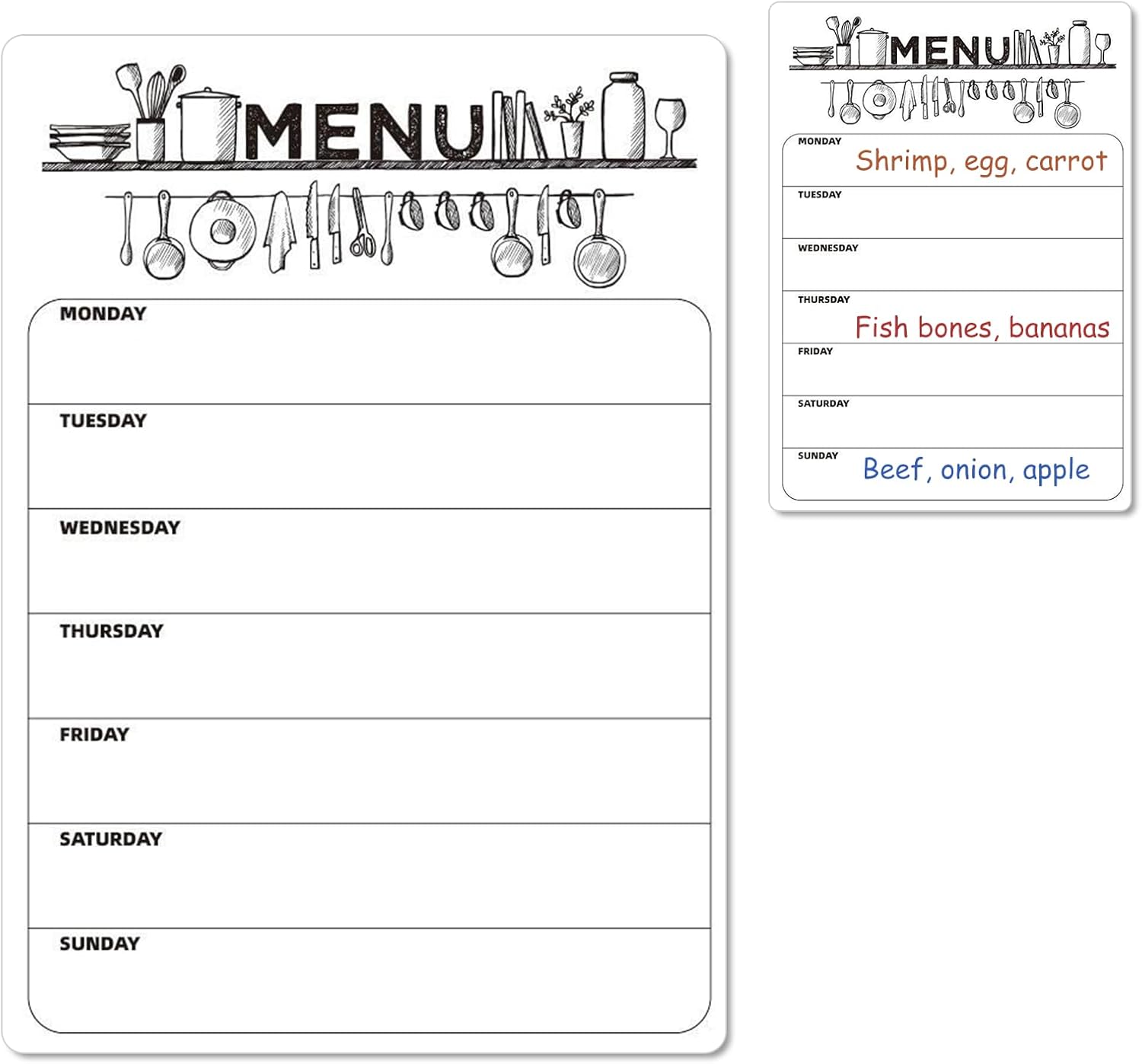
Magnetic Meal Planner
An alternative shared meal-planning option for a compatible surface. Check the product’s size and mounting requirements before choosing a place for it.
View on Amazon
Storage Baskets
Give everyday belongings a consistent home, such as a place for school accessories or activity items. Measure the intended space and check suitability before buying.
View on AmazonYour Ten-Minute Weekly Family Check-In
- Check school messages, appointments and work changes.
- Confirm collection arrangements and who owns each task.
- Choose a few realistic meals and check supplies.
- Prepare for one unusually busy day.
- Protect one small moment of connection.
- Remove one commitment or chore if the week is too full.
Connection might be a walk, a shared meal or a favourite game. Find more ideas in our guide to building stronger family bonds through quality time .
Family Routine FAQs
What should a family routine include?
Start with leaving home, arriving home, meals, essential responsibilities and winding down. Add work, school and childcare commitments, then leave space for rest and changes.
How do I start when our family has no routine?
Choose one difficult transition and introduce two or three clear steps. For example, put tomorrow’s clothes and bag ready after dinner. Practise that before adding another routine.
Should children follow a strict timetable?
A predictable sequence can be more practical than assigning a time to every activity. Use fixed times for commitments that require them, while adapting other steps around your family’s needs.
How do we manage different ages?
Keep shared anchors, such as an evening meal where practical, but adapt tasks, supervision and wind-down routines to each child. Older children can help shape their own checklist.
What if the routine keeps failing?
Check whether it expects too much, leaves out travel or preparation time, or relies on one person. Shorten the plan and change the repeated sticking point. Success means essentials become easier, rather than every box being ticked.
Do we need to buy a planner or chore chart?
No. A notebook, paper checklist or calendar you already use can be enough. Buy a tool only if its format solves a problem your current system does not.
Start with Tomorrow
Choose one thing to prepare tonight, one responsibility to make clearer and one step to remove. Build the routine around the family you have and adjust it as life changes.
Explore more Family & Parenting guides →
About Lifestyle Hub Today
Lifestyle Hub Today creates practical guides, useful tools and thoughtful resources primarily for readers in Ireland and the UK. Our family content focuses on realistic routines, shared responsibilities and meaningful time together.
Your Daily Dose of Inspiration: Trends, Tips and Timeless Living.
Learn more about Lifestyle Hub Today →