
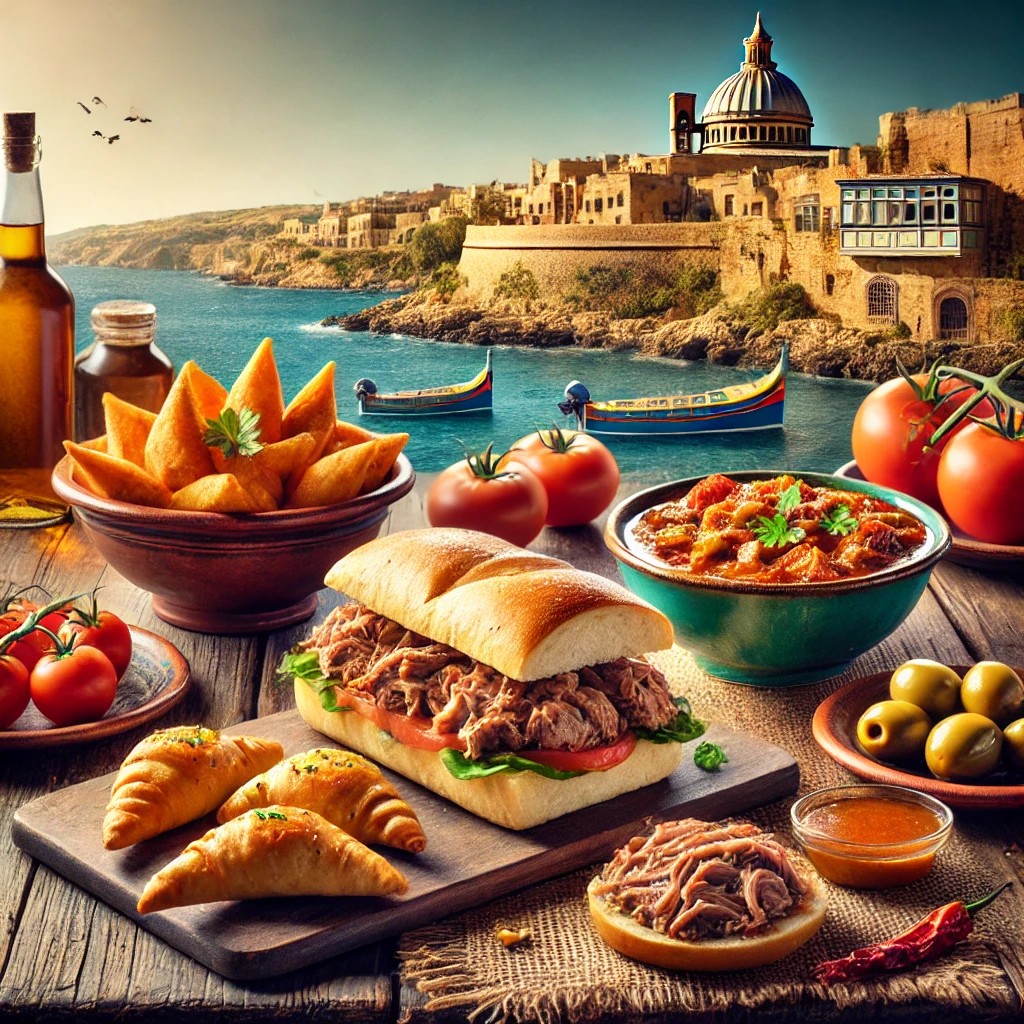
Maltese food reflects the islands' Mediterranean position and centuries of cultural influence, combining breads, cheeses, vegetables, seafood, pastries and slow-cooked dishes into a cuisine that is best explored one local speciality at a time.
Reviewed October 2026 · Lifestyle Hub Today
The quick answer
Start with pastizzi, ftira, ġbejniet, ħobż biż-żejt, bigilla and Maltese bread. For heartier dishes, look for rabbit, timpana, ross fil-forn or seasonal fish. Finish with imqaret or another traditional sweet. Gozo is particularly good for cheese, ftira and locally rooted village food.
Traditional Maltese Food at a Glance
| Dish | What it is | Best time to try it | Diet note |
|---|---|---|---|
| Pastizzi | Flaky pastries usually filled with cheese or peas | Breakfast or snack | Vegetarian versions common |
| Ftira | Traditional Maltese or Gozitan bread-based speciality | Lunch or casual meal | Fillings vary |
| Ġbejniet | Small traditional sheep or goat cheeses | Starter or snack | Vegetarian |
| Ħobż biż-żejt | Bread with tomato, olive oil and savoury toppings | Lunch or picnic | Can be vegetarian |
| Bigilla | Broad-bean dip | Starter or snack | Usually plant-based |
| Fenek | Traditional rabbit dish | Main meal | Contains meat |
| Aljotta | Garlicky fish soup | Starter or light meal | Contains fish |
| Timpana | Baked pasta inside pastry | Main meal | Usually contains meat/dairy |
| Ross fil-forn | Baked rice dish | Main meal | Recipe varies |
| Lampuki dishes | Seasonal fish preparations | When available | Contains fish |
| Imqaret | Sweet date-filled pastries | Dessert or street snack | Check ingredients |
| Kannoli | Pastry shells filled with sweet ricotta | Dessert | Vegetarian |
1. Pastizzi — Malta's Famous Savoury Pastry
Pastizzi are among the easiest Maltese foods to try. These crisp, flaky pastries are traditionally sold from bakeries and pastizzerias and are commonly filled with either cheese or peas.
They work particularly well as an inexpensive breakfast, mid-morning snack or quick bite while sightseeing.
Look for:Cheese-filled and pea-filled versions, plus local variations depending on the bakery.
2. Ftira — One Name, Different Maltese Traditions
Ftira can mean slightly different things depending on where and how it is served. Maltese bread can be used for filled sandwiches, while Gozo is especially known for a baked ftira topped or filled with local ingredients.
Visit Gozo describes traditional Gozitan ftira as a rustic oven-baked speciality made in village bakeries, with versions using ingredients such as potatoes, anchovies, olives or local cheese.
Good for:A casual lunch on Gozo or a bakery stop during a village day.
3. Ġbejniet — Traditional Maltese & Gozitan Cheese
Ġbejniet are small traditional cheeses made from sheep's or goat's milk and served fresh, dried or peppered.
They appear in salads, pastries, ravioli and other dishes and are particularly associated with Gozo's local food culture.
Try them:Fresh for a milder flavour, or dried and peppered for something stronger.
4. Ħobż biż-Żejt — Maltese Bread with Mediterranean Flavours
Ħobż biż-żejt is a good example of how simple ingredients can define a local food tradition.
Maltese bread is typically combined with tomato and olive oil, with toppings that may include capers, olives, onions, cheese, tuna or anchovies.
Good for:A simple lunch, beach snack or casual meal between sightseeing stops.
5. Bigilla — Broad-Bean Dip
Bigilla is a traditional dip made from beans and seasoned with ingredients such as garlic, herbs and olive oil.
It is often served with bread or Maltese crackers and works particularly well as part of a shared starter.
Good for:Vegetarian and plant-based travellers looking for a traditional Maltese option.
6. Fenek — Traditional Maltese Rabbit
Rabbit is closely associated with Maltese cooking and is often prepared as a hearty main course with garlic, herbs, wine or tomato-based flavours depending on the recipe.
A traditional rabbit meal may be a more substantial dining experience than the lighter bakery foods visitors encounter during the day.
Good for:Travellers who want to experience one of the islands' best-known meat traditions.
7. Aljotta — Maltese Fish Soup
Aljotta reflects Malta's relationship with the sea. It is traditionally a garlicky fish soup built around Mediterranean flavours.
Recipes vary, but tomato, garlic, herbs, fish and sometimes rice can all appear.
Good for:Seafood lovers and anyone who wants a lighter alternative to Malta's baked pasta and meat dishes.
8. Timpana — Pasta Baked Inside Pastry
Timpana combines pasta with pastry to create one of Malta's more substantial comfort foods.
The pasta is baked with a rich filling and enclosed in pastry, producing a dish influenced by Mediterranean pasta traditions but firmly established in Maltese home cooking.
Good for:A filling lunch or traditional main meal.
9. Ross fil-Forn — Maltese Baked Rice
Ross fil-forn is a baked rice dish associated with Maltese home cooking and special family meals.
Recipes differ between households, but it is generally a rich, savoury oven dish rather than a light rice side.
Good for:Travellers wanting to try food that feels closer to traditional Maltese family cooking than resort dining.
10. Lampuki & Seasonal Fish
Malta's fishing tradition makes seafood a natural part of the islands' food culture. Lampuki is one of the best-known seasonal fish and can appear in different preparations, including pies.
11. Imqaret — Sweet Date Pastries
Imqaret are sweet pastries filled with a spiced date mixture and are a useful example of the North African and Mediterranean influences found in Maltese food.
They are often associated with festivals, markets and street-food settings.
Good for:Dessert, a market snack or something sweet after an evening meal.
12. Kannoli — Ricotta-Filled Pastry
Malta's proximity and historical connections to Sicily are clearly visible in sweets such as kannoli.
Crisp pastry shells are filled with sweetened ricotta, sometimes with chocolate or other additions.
Good for:Dessert with coffee or an afternoon bakery stop.
What Should Vegetarians Try in Malta?
Maltese cuisine contains plenty of meat and fish, but several traditional foods can suit vegetarian travellers.
What Should Vegans Look For?
Vegan options are possible, but traditional Maltese dishes often contain cheese, eggs, fish or meat.
Bean-based bigilla, vegetable dishes, bread, olives and some versions of ħobż biż-żejt may work, but ingredients should always be confirmed individually.
Where to Experience Maltese Food
You do not need to build a food itinerary around a single famous restaurant. Different settings reveal different parts of Malta's food culture.
Malta vs Gozo: Is the Food Different?
The islands share many culinary traditions, but Gozo has a particularly strong association with small-scale local produce, cheese and village bakeries.
Visit Gozo highlights ġbejniet, Gozitan ftira, Maltese bread, bigilla, galletti, local sausage and seasonal dishes as important parts of the island's food culture. :chatgpt-content-reference{index="2"}
A Simple Malta Food Checklist
| When | Try |
|---|---|
| Breakfast or morning snack | Pastizzi and coffee |
| Casual lunch | Ftira or ħobż biż-żejt |
| Shared starter | Bigilla, ġbejniet, olives and bread |
| Traditional dinner | Rabbit, baked rice, timpana or seasonal fish |
| Sweet snack | Imqaret |
| Dessert | Kannoli or another local pastry |
Food Allergies & Dietary Requirements
Traditional recipes can vary from one bakery, household or restaurant to another. Ingredients that are not obvious from the name may include fish, anchovies, cheese, eggs, meat stock, nuts or wheat.
How to Add Maltese Food to Your Trip
You do not need to schedule twelve separate restaurant visits. Build food naturally into the places you are already exploring.
- Try pastizzi during a sightseeing morning.
- Have ftira for lunch on Gozo.
- Add ġbejniet and bigilla to a shared starter.
- Choose one traditional main-course evening.
- Ask for seasonal local fish near the coast.
- Try imqaret or another local sweet at a market or festa.
For the wider itinerary, use our Malta and Gozo hidden-gems guide to combine food with villages, coastal routes and cultural stops.
Maltese Food FAQs
What food is Malta famous for?
Malta is particularly known for pastizzi, ftira, Maltese bread, ġbejniet, rabbit dishes, baked pasta, seafood and sweets such as imqaret.
What is the best Maltese food to try first?
Pastizzi are one of the easiest places to begin because they are widely available, inexpensive and strongly associated with everyday Maltese food culture.
What should I eat in Gozo?
Look for Gozitan ftira, ġbejniet, traditional bread, bigilla and locally rooted dishes using seasonal produce.
Is Maltese food vegetarian-friendly?
Several traditional foods can be vegetarian, including cheese or pea pastizzi, ġbejniet, bigilla and some ftira or bread dishes. Always confirm the actual ingredients because recipes vary.
What Maltese desserts should I try?
Imqaret and kannoli are useful places to start. Seasonal celebrations can also feature sweets such as nougat, honey rings and other pastries.
Where should I try traditional Maltese food?
Try a mixture of neighbourhood bakeries, village restaurants, markets, Gozo food businesses and coastal restaurants rather than relying entirely on tourist-centre dining.

Lifestyle Hub Today creates practical travel and food guides primarily for readers in Ireland and the UK, helping you experience destinations through realistic planning, local culture and memorable everyday details.
Learn more about Lifestyle Hub Today →Recipes, ingredients, seasonal availability and menu descriptions vary between food businesses and households. Confirm ingredients directly where dietary requirements or allergies apply. · Privacy
